ISSUE 01 • STORY 0:00–2:07The Voice in the Darkness
 Movie-production concept artwork; final film still may differ.
Why does the narrator wake inside a grave rather than already living in heaven?
Open the Bible
John 11:17–27, 38–44: What does Martha expect, and what does Jesus claim about Himself? John 5:24–29: Who gives life, and where are the people who hear His voice? 1 Corinthians 15:12–23: What is lost if Christ has not risen?
Read the complete units. Who speaks, to whom, and in what context? Write one observation before drawing a conclusion.
See the connected picture
Compare Lazarus hearing Christ with the future awakening in John 5. Lazarus returns to mortal life; 1 Corinthians 15:42–54 describes a greater transformation. The connection rests on Christ's life-giving authority, not on every visual detail matching.
A fair objection
Doesn't Christianity teach that believers go straight to heaven? Many Christians affirm a conscious intermediate state and still affirm bodily resurrection. Establish the shared hope first. John 5 and 1 Thessalonians 4 locate the public gathering at Christ's return; Issue 3 examines awareness between death and resurrection. Do not claim resurrection alone disproves an intermediate state.
Which passage would someone with another view bring? What does our answer establish, and what does it leave uncertain?
Back to the diary
Explain the scene in your own words. Separate the biblical statement, the Adventist interpretation, and the film’s visual illustration.
Your next step
What would it mean to entrust your future to the One who calls the dead to life?
Private reflection: I understand / I need more study / I would like a conversation. This reading page does not collect responses.
Study 1 podcast · 14:30
The Voice in the Darkness
Why does the narrator wake inside a grave rather than already living in heaven? Explore the Bible passages, Christ-centered connections and answers to common questions with the matching study.
AI-narrated with NotebookLM; edited by Power of the Lamb.
Download MP3Machine transcript
Study 1 PDF · Read Study 1 online
ISSUE 02 / EXPANDED GRAPHIC STUDYThe Gathering in the Sky
Open the 10-page illustrated PDF
Two groups. One reunion.
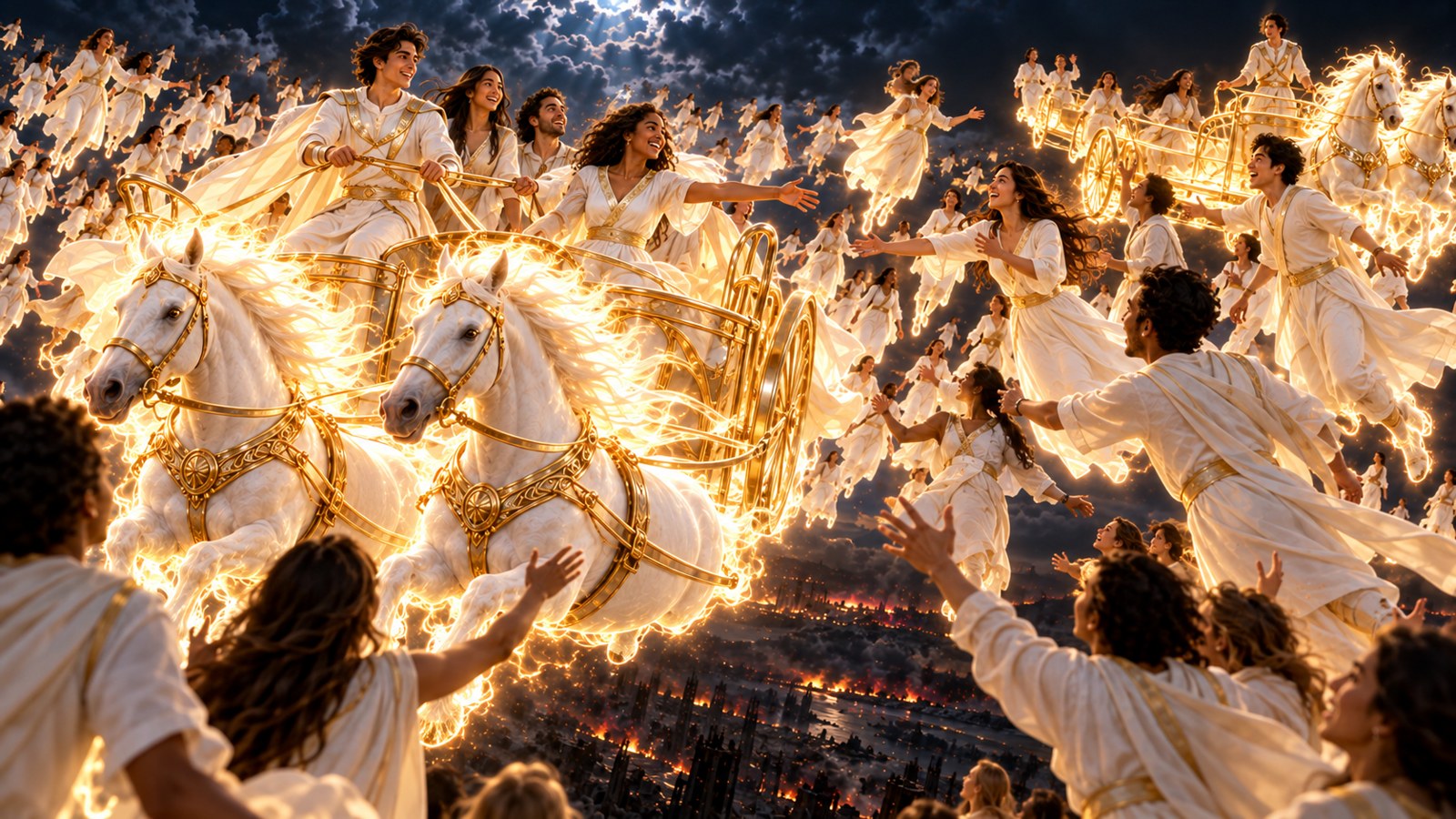
What is different about their journeys?
Watch story time 2:07-5:13. Name the two groups. What happens to both? What detail do you want to check in Scripture?
Follow Paul’s sequence
READ 1 THESSALONIANS 4:13-15
Paul addresses believers grieving people who have died. Notice: He does not forbid grief; he gives it hope.
Ask: What concern might the living have about those who died before Christ returned? What assurance does verse 15 supply?
READ VERSES 16-17
List the actions in order: the Lord descends; the dead in Christ rise; the living are caught up together with them; the gathered people meet the Lord.
Ask: Which group goes first? Who is left behind among Christ’s people?
READ VERSE 18
Paul wants this teaching to comfort people. Its purpose is not a prediction game.
Return to the story: Why can the narrator recognize living believers as part of the same redeemed family? What makes the reunion good news?
Put the reunion in order
1. CHRIST RETURNS
1 Thessalonians 4:16 / The hope begins with His action, not human escape.
2. THE DEAD IN CHRIST RISE
1 Thessalonians 4:16 / Those who died are not forgotten or disadvantaged.
3. THE LIVING JOIN THEM
1 Thessalonians 4:17 / Both groups meet the Lord and remain with Him.
Activity: cover this map and reconstruct it from the passage. Add a verse beside every arrow. Which details come from the film rather than Paul?
Why do their bodies change?
READ 1 CORINTHIANS 15:35-44
Paul answers a question about the resurrection body. He uses seed imagery to explain continuity and transformation.
Observe: What contrasts does he make? Does spiritual body mean an imaginary person, or a transformed mode of embodied life?
READ VERSES 50-54
Paul describes both those who die and those who remain alive. Immortality is received in this transformation.
Compare: How does this explain the two groups in the film? Why is eternal life a gift rather than an independent human possession?
READ PHILIPPIANS 3:20-21
Christ transforms His people’s bodies to be like His glorious body.
Keep the distinction: The text establishes transformation; the film’s precise glow, costume, and movement are artistic choices. What promise matters even without those visual details?
A glimpse on the mountain
READ MATTHEW 17:1-9
Moses and Elijah appear with Jesus at the Transfiguration. The disciples see His glory and hear the Father direct them to listen to His Son.
Center: What does the scene reveal about Jesus?
COMPARE 2 KINGS 2:9-12 AND JUDE 9
Elijah is taken to heaven; Jude mentions a dispute over Moses’ body. Adventists traditionally understand Moses as resurrected.
Evidence check: Jude does not explicitly narrate that resurrection. Name the inference instead of disguising it as a direct statement.
BUILD A CAREFUL PARALLEL
Moses and Elijah can illustrate the raised and living groups in the movie. The foundation for the two groups remains 1 Thessalonians 4 and 1 Corinthians 15.
Your task: Put a star beside the direct teaching and a dotted line beside the illustrative connection.
“Isn’t the rapture secret?”
Explore this question
FIRST DEFINE THE QUESTION
Rapture refers to being caught up. Christians disagree about its timing and relationship to Christ’s public return.
Ask someone holding a separate secret-rapture view to explain it fairly. Do not assume the word itself proves a particular chronology.
EXAMINE THE DESCRIPTION
Read 1 Thessalonians 4:16-17; Acts 1:9-11; Revelation 1:7; Matthew 24:23-31.
Adventists connect these with one visible, audible gathering at Christ’s return. Which details support that reading? Which parts of another timeline require further argument?
ADDRESS THE STRONGEST REPLY
A reader may say these describe different events. Ask what textual markers distinguish the events and what connects them. Compare passages rather than treating volume or vivid imagery as a complete chronological proof.
Write the strongest remaining question for a later prophecy study.
“One taken and one left?”
Explore this question
READ MATTHEW 24:36-44
Jesus compares His coming with Noah’s days and then describes two people with different outcomes.
Observe: Who is speaking, what warning is repeated, and what is the purpose of the comparison?
EXAMINE THE CONTEXT
Verses 38-39 describe people unaware until the Flood overtook them. Adventists often relate this warning to the later separation.
Be precise: Verse 39 and verses 40-41 use different Greek verbs. A shared English word alone cannot settle who is taken or the whole end-time sequence.
KEEP THE MAIN APPEAL
The passage calls for readiness. It does not tell us to assign dates or assume a second chance after Christ gathers His people.
Return: In the movie, how do the different responses to Christ’s appearing prompt you to ask what readiness means?
Hope for the whole person
Read 1 Thessalonians 4:18 and 1 Corinthians 15:58. The promised future supports comfort and faithful service now. Pray for someone facing loss, illness, or aging.
What changes today if both life and death are safe in Christ’s hands?
Lead toward comfort and clarity
75-MINUTE ROUTE
Scene 10 / Paul’s sequence 20 / transformation 10 / mountain parallel 10 / objections 15 / response and prayer 10.
Pages 7-8 can serve as optional follow-up. Let the group’s questions determine which objection needs attention.
EXPECTED DISCOVERIES
The dead in Christ rise before the living join them. Both groups are transformed, gathered, and with Christ. The hope centers on Him.
Do not equate every heavenly chariot detail with a literal description required by Paul. Scripture is the controlling source.
SOURCE AND INVITATION
Based on the movie transcript, the ministry’s Second Coming/death objections material, and the Phototheology method. Explanations here are editorial adaptations.
Invite further study or a conversation. A film response is not a declaration of baptismal readiness.
For reflection only. Entries are not sent or saved; copy notes before closing.
Study 2 podcast · 22:33
The Gathering in the Sky
Why do two groups meet Jesus: people raised from graves and people who never died? Explore the Bible passages, Christ-centered connections and answers to common questions with the matching study.
AI-narrated with NotebookLM; edited by Power of the Lamb.
Download MP3Machine transcript
Study 2 PDF · Read Study 2 online
ISSUE 03 / EXPANDED GRAPHIC STUDYSeconds After Centuries
STUDY 3 PODCAST · 16:18
Why the Bible Calls Death Sleep
Explore why the narrator experiences almost two centuries as seconds. Follow the Bible's teaching on death, resurrection and the hope of Christ's return, with answers to common questions.
AI-narrated with NotebookLM; edited by Power of the Lamb.
Download MP3Machine transcript
Study 3 PDF · Read Study 3 online
Open the 12-page illustrated PDF
The moment he realizes

How could centuries feel like seconds?
Watch story time 5:13-5:50. The narrator says he knew and felt nothing. Separate his experience of time from the elapsed time in the world. The two-century span belongs to the story chronology; it is not a prophetic date.
Two ways to describe the interval
1. EARTH’S TIMELINE
Death → a long interval → Christ’s return and resurrection.
2. THE NARRATOR’S AWARENESS
Final memory of dying → next conscious experience of awakening.
3. THE QUESTION FOR SCRIPTURE
Does the Bible support unconscious rest until resurrection? We must examine the passages, rather than use a character’s experience as independent proof.
Activity: draw two horizontal lines. Mark where time passes and where the narrator reports awareness. Explain why the movie’s seconds need not equal seconds on a clock.
What is a living soul?
READ GENESIS 2:7
God forms the human from dust and gives life. In the KJV the man becomes a living soul; other translations use living being or living creature.
Observe: Does the sentence describe receiving a separately immortal object, or becoming a living person?
COMPARE GENESIS 1:20-24
The Hebrew word nephesh is also used for living creatures. Its meanings depend on context.
Guardrail: One word study cannot determine every passage about personal identity, spirit, or life after death. Build a case from several converging witnesses.
READ ECCLESIASTES 12:1-7
The poem describes aging and death; dust returns to earth and spirit returns to God.
Adventists understand this as life returning to its Giver, not a statement that a conscious immortal person has departed. Ask what the passage explicitly says about awareness.
How does Jesus describe death?
READ JOHN 11:1-16
Jesus describes Lazarus as asleep, then explains that he has died. The disciples first misunderstand.
Observe: What does the comparison emphasize about Christ’s ability to awaken him? How does the narrator’s experience illustrate it?
READ ECCLESIASTES 9:1-10
The writer contrasts the opportunities of life with death, including the dead’s lack of knowledge and participation.
Context: Notice under the sun. Readers debate the scope of this language. Do not use a line from wisdom literature without attending to its argument.
COMPARE PSALM 146:3-6
Human power and plans end in death; the psalm directs trust toward the Creator.
Synthesis: Adventists read these passages together with Jesus’ sleep language as support for unconscious rest. Sleep imagery alone is not the entire argument.
When do we receive immortality?
READ 1 TIMOTHY 6:13-16
God is described as possessing immortality. Created life depends upon Him.
Distinguish God’s inherent life from the eternal life He gives. How does this challenge the idea that humans possess life independently of their Creator?
READ 1 CORINTHIANS 15:42-54
Paul says mortality puts on immortality in the resurrection transformation.
Ask: Why is resurrection essential? A Christian who believes in conscious survival may still affirm this bodily transformation. Address that distinction honestly.
READ 1 THESSALONIANS 4:13-18
Adventists teach that death is unconscious until resurrection; humans do not possess an independently immortal soul. At Christ’s return the righteous dead rise and receive immortality with the transformed living.
Back to the scene: This biblical teaching explains the narrator’s unexperienced interval; the two-century span is story chronology, not a prophetic date.
“Today with Me in Paradise?”
Explore this question
READ LUKE 23:39-43
The criminal asks to be remembered when Jesus comes in His kingdom. Jesus promises fellowship in Paradise.
Most translations connect today with being in Paradise. The Adventist reading connects it with the assurance Jesus gives that day.
WHAT PUNCTUATION CAN AND CANNOT DO
Ancient manuscripts do not supply modern punctuation in a way that settles the disputed attachment. Moving a comma does not by itself prove the Adventist reading.
Both readings must be tested by grammar, Luke’s expression patterns, the request, and the wider biblical witness.
COMPARE JOHN 20:17
After His resurrection Jesus speaks of not yet having ascended to the Father. Adventists regard this as relevant; other Christians distinguish conscious presence from the later bodily ascension.
Explain why the Adventist synthesis fits the wider evidence without calling the objection dishonest.
“Absent from the body…”
Explore this question
READ 2 CORINTHIANS 5:1-10
Do not begin with verse 8 alone. Trace the earthly tent, heavenly dwelling, nakedness, and being clothed.
What does Paul long for? What does he not want? How does verse 4 describe mortality being swallowed up by life?
STATE BOTH READINGS FAIRLY
Many Christians read verses 6-8 as conscious presence with Christ after death. Adventists emphasize Paul’s desire for the completed heavenly life and understand the interval as unexperienced.
The no-perceived-interval explanation is an interpretation, not a phrase Paul explicitly writes.
COMPARE THE RELATED PASSAGES
Read 2 Corinthians 4:14 and 1 Corinthians 15:51-54. Ask how resurrection, transformation, and presence with Christ relate.
Which reading best integrates the whole case? Name the strength of the rival reading rather than pretending this passage contains no difficulty.
“Depart and be with Christ?”
Explore this question
READ PHILIPPIANS 1:20-26
Paul weighs fruitful labor, death, and being with Christ. His devotion to Christ shapes the entire discussion.
Identify his alternatives and his pastoral concern. Is he writing a detailed timetable of the intermediate state?
COMPARE PHILIPPIANS 3:20-21
Paul also expects the Savior to transform believers’ bodies. Readers who affirm conscious survival do not necessarily deny that transformation.
Adventists read his desire to be with Christ as the believer’s next experienced hope without awareness of an intervening wait.
EVALUATE THE SYNTHESIS
The immediate association between departure and being with Christ is a serious objection. The Adventist reply considers it alongside the broader teaching about death and resurrection.
Write the best case for each reading and identify what further evidence would help you decide.
The rich man and Lazarus
Explore this question
READ LUKE 16:19-31
Read alongside the chapter’s concerns about wealth, faithfulness, and hearing Scripture. The story reverses the apparent fortunes of a wealthy man and a suffering beggar.
What does the final exchange about Moses, the prophets, and resurrection emphasize?
ASK WHAT THE STORY IS TEACHING
Adventists understand the scene as a parable using familiar imagery, not a literal diagram of the afterlife. Other Christians think it also presupposes conscious existence after death.
Calling it a parable alone is not enough; explain the literary argument and its relationship to clearer teaching.
KEEP THE CENTRAL WARNING
The rich man’s status does not prove God’s favor. Hearing Scripture must lead to response; dramatic evidence does not automatically produce repentance.
How does this challenge the idea that seeing Heaven’s Diary is enough without opening the Bible or responding to Christ?
Resting in the Life-giver
Read John 11:25-26 and 1 Thessalonians 4:18. The Christian hope is rooted in Jesus. Pray for understanding and for a person grieving a loss; do not pressure anyone to share private grief.
How would you explain the narrator’s “seconds” using a passage rather than the movie alone?
Answer questions without rushing faith
USE TWO GATHERINGS IF NEEDED
Session A: scene and timeline 10 / human life 15 / sleep and awareness 20 / immortality and reunion 15 / discussion and prayer 15.
Session B: summarize 10 / Luke 23, 2 Corinthians 5, Philippians 1, and Luke 16 for 50 / response and prayer 15.
INTERPRETIVE AND PASTORAL CARE
Separate explicit statements, biblical synthesis, and film imagery. Do not promise that a single verse removes every interpretive question. Do not ridicule a family’s inherited language about death.
Allow “I need more study.” Comfort should not depend upon public agreement.
SOURCES AND FOLLOW-UP
Adapted from the ministry objections index (sod-1, sod-2, sod-3), Phototheology Core Method v2, and the story transcript. New editorial wording; not verbatim Ivor Myers quotation.
Questions about Samuel, the Transfiguration, or Revelation’s altar scene can be studied separately with full context.
For reflection only. Entries are not sent or saved; copy notes before closing.
The Silent Earth
Open the 9-page illustrated PDF
Enter the story
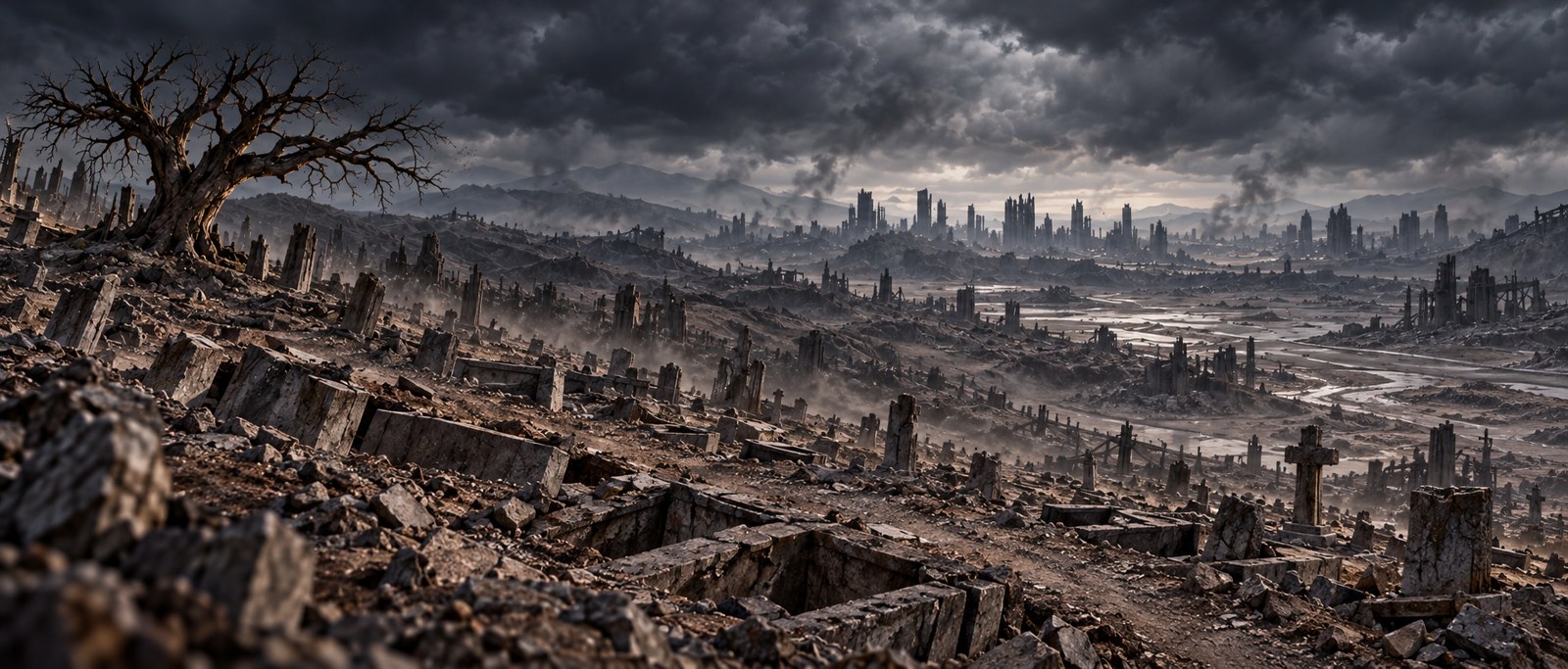
Movie-production concept; final scene still remains to be selected.
Why is Satan bound when there appear to be no human beings left to tempt?
Describe the scene, identify the surprise, and separate the narrative explanation from biblical evidence.
Open the Bible together
REVELATION 20:1-6
Mark the thousand years, the first resurrection, those who reign, and the rest of the dead. The text distinguishes two resurrection moments. What does it explicitly say, and what does it leave to comparison with other passages?
JOHN 14:1-3 + 1 THESSALONIANS 4:16-17
At Christ’s literal return the righteous dead rise and join the transformed living; together they are taken to heaven. The unrighteous living die at His appearing (2 Thessalonians 2:8). During the thousand years the redeemed reign with Christ in heaven while earth has no living human inhabitants. Explain the linked passages behind this Adventist sequence.
REVELATION 20:7-15 + 21:1-4
At the millennium’s close Christ, His saints, and the Holy City descend to earth. The wicked dead rise, join Satan’s final rebellion, and face judgment. Fire consumes them and cleanses earth; God renews it as the redeemed’s permanent home. This is the Adventist sequence, not an earthly millennium before the final judgment.
From the passage to Christ
THE CONNECTED PICTURE
Observe the creation reversal imagery in Jeremiah 4:23–28. Its immediate subject is judgment on Judah; its language provides a parallel for desolation, not a self-contained prediction proving every millennial detail. Distinguish the sequence in Revelation from the movie's imagery.
THE CENTRAL QUESTION
Revelation 20:1–10: Mark the two resurrections and the thousand years. John 14:1–3: Where does Jesus promise to receive His people? 2 Thessalonians 1:7–10; 2:8: What happens at His appearing?
EXPLAIN IT IN THREE SENTENCES
First: what the passage says in its original setting. Second: how the Adventist understanding brings the passages together. Third: how the movie illustrates that conclusion. Do not let an attractive scene substitute for the argument. Ask which connection reveals Christ’s work or character.
Trace the biblical movement
1. RETURN AND RESURRECTION
1 Thessalonians 4:16-17 / Christ gathers His people.
2. THE THOUSAND YEARS
Revelation 20:1-6 / Satan is restrained; the saints reign.
3. FINAL JUDGMENT AND RENEWAL
Revelation 20:7-15; 21:1-4 / Evil ends; God dwells with His people.
Use the passages to explain each step. A solid link needs textual support; use a dotted link for an illustration or a proposal that remains uncertain.
Questions worth taking seriously
Explore the objections and replies
IS THE CHAIN LITERAL?
Revelation uses symbols. Adventists understand Satan’s binding as restraint through circumstances: he has no living nations to deceive. The passage explicitly states the restraint; its physical mechanism is not described as an ordinary metal chain.
WHY NOT A MILLENNIUM ON EARTH?
Other Christians expect an earthly messianic kingdom. The Adventist reply combines the gathering to Christ, the two resurrections, and the final descent of the city. Ask which reading best explains all those features. Do not pretend the disagreement disappears with one verse.
HOW DOES JEREMIAH 4 CONNECT?
Read Jeremiah 4:23-28 in its immediate Judah setting, then compare its creation-reversal imagery with Genesis 1:2 and Revelation 20:1-3. Blueprint develops these linked pictures to explain the desolated earth. The immediate historical setting and the wider biblical connection should both be taught, rather than making one erase the other.
Build the picture yourself
Build a three-panel timeline. Use one color for the redeemed, one for the rest of the dead, and one for Satan. Write a verse beneath each change of state.
Let the truth shape your life
Read the first passage again. Identify what it reveals about God, what it asks of you, and how Christ supplies hope or help. Pray with one specific response in mind.
What does a world without anyone left to deceive reveal about the results of rebellion?
Guide the next conversation
75-MINUTE ROUTE
Scene and observation 10 / Bible investigation 20 / Christ-centered connection and map 15 / strongest objection 15 / visual activity 5 / response and prayer 10. Use a second meeting when the questions need it; do not force agreement to finish a schedule.
ISSUE-SPECIFIC GUIDANCE
Distinguish the plain sequence in Revelation from the synthesis about location and the film’s invisible-chain imagery. Avoid assigning dates. Explore judgment’s purpose before debating every symbol.
SOURCE AND INVITATION
Story: Heaven’s Diary transcript, 5:50–7:27. Method: Phototheology Core Method v2. Apologetics sources and editorial limitations are mapped in the accompanying source register. This is new editorial wording, not a verbatim Ivor Myers quotation. Invite a voluntary next step and preserve unresolved questions.
Notes are not sent or saved. Copy them before leaving this page.
Study 4 podcast · 18:56
The Silent Earth
Why is Satan bound when there appear to be no human beings left to tempt? Explore the Bible passages, Christ-centered connections and answers to common questions with the matching study.
AI-narrated with NotebookLM; edited by Power of the Lamb.
Download MP3Machine transcript
Study 4 PDF · Read Study 4 online
ISSUE 05 / EXPANDED GRAPHIC STUDYFaces We Never Expected
Open the 9-page illustrated PDF
Enter the story

Movie-production concept; final scene still remains to be selected.
Why is the narrator's brother present while some apparently religious people are missing?
Describe the scene, identify the surprise, and separate the narrative explanation from biblical evidence.
Open the Bible together
EPHESIANS 2:1-10
The passage begins with helplessness and moves to life by grace through faith. Good works follow God’s saving initiative. How does this order explain why the narrator cannot credit his brother’s presence to family status or merit?
LUKE 15:11-32
Observe the father’s welcome and the older brother’s resentment. The parable reveals grace that disrupts human rankings. It does not supply the fictional brother’s biography. What attitude does it challenge in those who assume they know whom God can reach?
MATTHEW 7:15-23 + 2 PETER 3:9
Religious claims and impressive deeds do not substitute for belonging to Christ. God desires repentance rather than destruction. How can these truths coexist without making obedience a price paid for salvation?
From the passage to Christ
THE CONNECTED PICTURE
Set the brother's welcome beside the father welcoming the lost son in Luke 15:11–32. This is a gospel parallel about grace, not proof of the fictional brother's conversion history.
THE CENTRAL QUESTION
Luke 23:39–43: What hope does Jesus give a repentant criminal? Ephesians 2:1–10: What saves, and what follows salvation? Matthew 7:15–23: What distinguishes profession from allegiance? 2 Peter 3:9: What does God desire?
EXPLAIN IT IN THREE SENTENCES
First: what the passage says in its original setting. Second: how the Adventist understanding brings the passages together. Third: how the movie illustrates that conclusion. Do not let an attractive scene substitute for the argument. Ask which connection reveals Christ’s work or character.
Trace the biblical movement
1. HUMAN EXPECTATION
The narrator assumes he knows who will be present.
2. GOD’S SAVING GRACE
Ephesians 2:8-10 / Christ saves and transforms.
3. HUMBLE TRUST
1 Corinthians 4:5 / Resist final verdicts about hidden hearts.
Use the passages to explain each step. A solid link needs textual support; use a dotted link for an illustration or a proposal that remains uncertain.
Questions worth taking seriously
Explore the objections and replies
CAN I WAIT UNTIL THE LAST MOMENT?
Luke 23:39-43 displays grace to a dying criminal. It does not promise everyone time to postpone repentance. Hebrews 3:7-15 warns against a hardening heart. Grace invites response now, not calculation about how late one can safely wait.
DO GOOD WORKS PROVE WHO IS SAVED?
We can observe fruit, but we do not possess God’s full knowledge. Matthew 7 challenges empty profession; Ephesians 2 rejects earning. A changed life matters as the fruit of faith, not a substitute for Christ’s righteousness.
WHAT ABOUT MY MISSING LOVED ONE?
The scene is fictional. It gives no authority to declare the destiny of an actual relative. Acknowledge grief and uncertainty. God’s justice and love are the basis for trust; the leader must not manufacture a verdict.
Build the picture yourself
Draw two empty portrait frames labeled My assumptions and God knows the heart. List attitudes rather than names of people you think are lost. Connect each correction with a passage.
Let the truth shape your life
Read the first passage again. Identify what it reveals about God, what it asks of you, and how Christ supplies hope or help. Pray with one specific response in mind.
Whom have you written off whom God is still inviting? What step toward Christ can you take today?
Guide the next conversation
75-MINUTE ROUTE
Scene and observation 10 / Bible investigation 20 / Christ-centered connection and map 15 / strongest objection 15 / visual activity 5 / response and prayer 10. Use a second meeting when the questions need it; do not force agreement to finish a schedule.
ISSUE-SPECIFIC GUIDANCE
Keep the emphasis on grace and humility. Do not ask participants to identify relatives they expect to be absent. Offer private prayer or pastoral conversation when the scene touches fresh bereavement.
SOURCE AND INVITATION
Story: Heaven’s Diary transcript, 7:27–12:23. Method: Phototheology Core Method v2. Apologetics sources and editorial limitations are mapped in the accompanying source register. This is new editorial wording, not a verbatim Ivor Myers quotation. Invite a voluntary next step and preserve unresolved questions.
Notes are not sent or saved. Copy them before leaving this page.
Explore this story connectionWhen the narrator finds his family, what does that hope ask of our homes today?
Companion A: The Family We Bring HomeAn optional deeper study before continuing the movie’s sequence.
Study 5 podcast · 18:09
Faces We Never Expected
Why is the narrator's brother present while some apparently religious people are missing? Explore the Bible passages, Christ-centered connections and answers to common questions with the matching study.
AI-narrated with NotebookLM; edited by Power of the Lamb.
Download MP3Machine transcript
Study 5 PDF · Read Study 5 online
ISSUE 06 / EXPANDED GRAPHIC STUDYSaved by the Savior They Did Not Know
Open the 9-page illustrated PDF
Enter the story
Movie-production concept; final scene still remains to be selected.
Why are some redeemed people asking who Jesus is?
Describe the scene, identify the surprise, and separate the narrative explanation from biblical evidence.
Open the Bible together
ROMANS 2:12-16
Paul discusses accountability, conscience, and God’s impartial judgment. The law’s work on the heart does not make conscience an independent savior. What does the passage reveal about God judging people fairly? What does it not tell us about every individual?
ACTS 10:1-6, 34-43
Cornelius responds to God, and God brings Peter to announce Jesus. Observe both divine initiative and the importance of hearing the gospel. God’s care for a seeker is a reason to share Christ, not a reason to stop.
JOHN 14:6 + ACTS 4:12
The New Testament identifies Christ as the source of salvation. The Adventist explanation distinguishes being saved by Jesus from possessing a complete vocabulary about Him. It does not make all religious claims equally true.
From the passage to Christ
THE CONNECTED PICTURE
Connect God's universal pursuit with Revelation 7:9–10: many peoples, one Savior. The point is the reach of Christ's grace, not that religions offer separate saving paths.
THE CENTRAL QUESTION
Romans 2:12–16: What do conscience and accountability reveal? Acts 10:1–6, 34–43: What does God do for Cornelius, and what message does Peter bring? John 14:6 and Acts 4:12: Who is the source of salvation?
EXPLAIN IT IN THREE SENTENCES
First: what the passage says in its original setting. Second: how the Adventist understanding brings the passages together. Third: how the movie illustrates that conclusion. Do not let an attractive scene substitute for the argument. Ask which connection reveals Christ’s work or character.
Trace the biblical movement
1. GOD PURSUES
Acts 10 / The seeker is not beyond God’s attention.
2. CHRIST SAVES
Acts 4:12 / Salvation has one source.
3. THE GOSPEL BRINGS CLARITY
Acts 10:34-43 / Witness joins the seeker to the message of Jesus.
Use the passages to explain each step. A solid link needs textual support; use a dotted link for an illustration or a proposal that remains uncertain.
Questions worth taking seriously
Explore the objections and replies
IS SINCERITY ENOUGH?
Sincerity does not turn error into truth or remove the need for Christ. Romans 2 addresses accountability; it is not a declaration that everyone following an inner feeling is saved. The story explores the reach of grace, not salvation by ignorance.
THEN WHY EVANGELIZE?
Acts 10 shows God actively connecting a seeker with the gospel. Knowing Jesus brings reconciliation, assurance, discipleship, and community. Evangelism shares good news; it need not deny that God was already working before the messenger arrived.
DOES THIS MEAN UNIVERSAL SALVATION?
No. Scripture includes real judgment and rejected grace. The point is God’s impartiality and Christ’s universal provision, not a claim that every person ultimately accepts salvation. Avoid speculating about the precise size or membership of the redeemed.
Build the picture yourself
Make a three-circle map: God’s initiative, Christ’s saving work, the messenger’s role. Place the events of Acts 10 in the circles. Identify where your witness could cooperate with God.
Let the truth shape your life
Read the first passage again. Identify what it reveals about God, what it asks of you, and how Christ supplies hope or help. Pray with one specific response in mind.
How can you share Christ with humility while trusting God's fairness toward those you cannot reach?
Guide the next conversation
75-MINUTE ROUTE
Scene and observation 10 / Bible investigation 20 / Christ-centered connection and map 15 / strongest objection 15 / visual activity 5 / response and prayer 10. Use a second meeting when the questions need it; do not force agreement to finish a schedule.
ISSUE-SPECIFIC GUIDANCE
Do not treat ethnicity, educational access, or denominational vocabulary as a complete measure of someone’s response to God. Invite a study partnership that honors questions and names the Adventist perspective.
SOURCE AND INVITATION
Story: Heaven’s Diary transcript, 12:23–13:25. Method: Phototheology Core Method v2. Apologetics sources and editorial limitations are mapped in the accompanying source register. This is new editorial wording, not a verbatim Ivor Myers quotation. Invite a voluntary next step and preserve unresolved questions.
Notes are not sent or saved. Copy them before leaving this page.
Study 6 podcast · 19:09
Saved by the Savior They Did Not Know
Why are some redeemed people asking who Jesus is? Explore the Bible passages, Christ-centered connections and answers to common questions with the matching study.
AI-narrated with NotebookLM; edited by Power of the Lamb.
Download MP3Machine transcript
Study 6 PDF · Read Study 6 online
ISSUE 07 / EXPANDED GRAPHIC STUDYThe Greater Exodus
Open the 9-page illustrated PDF
Enter the story
Movie-production concept; final scene still remains to be selected.
Why does the narrator see Moses and describe the journey as leaving an earthly Egypt?
Describe the scene, identify the surprise, and separate the narrative explanation from biblical evidence.
Open the Bible together
EXODUS 12:1-14
Read the Passover in its original setting: bondage, judgment, a lamb, blood, and deliverance. Identify what the instructions actually say. Why would a rescued people remember this event rather than credit their own strength?
1 CORINTHIANS 5:6-8 + LUKE 9:28-31
Paul explicitly identifies Christ with Passover. Luke describes the departure Jesus would accomplish at Jerusalem. These textual links warrant a Christ-centered connection; they are stronger than a visual resemblance invented by the guide.
EPHESIANS 2:8-10 + HEBREWS 11:13-16
Grace saves, and faith looks toward God’s promised home. The movie’s journey pictures deliverance and belonging. It does not reveal a scientific itinerary through galaxies or prove inhabited-world details.
From the passage to Christ
THE CONNECTED PICTURE
Build the sequence bondage → lamb → deliverance → journey → promised home. The Lamb connection has explicit apostolic support; the movie's cosmic travel is imaginative scenery, not an astronomical claim.
THE CENTRAL QUESTION
Exodus 12:1–14: What did the blood signify? 1 Corinthians 5:7: Whom does Paul identify as Passover? Luke 9:28–31: What departure does Jesus accomplish? Ephesians 2:8–10: What is grace's relationship to works?
EXPLAIN IT IN THREE SENTENCES
First: what the passage says in its original setting. Second: how the Adventist understanding brings the passages together. Third: how the movie illustrates that conclusion. Do not let an attractive scene substitute for the argument. Ask which connection reveals Christ’s work or character.
Trace the biblical movement
1. BONDAGE AND THE LAMB
Exodus 12 / Deliverance begins with God’s provision.
2. CHRIST OUR PASSOVER
1 Corinthians 5:7 / Scripture names the central fulfillment.
3. A PEOPLE ON THE WAY HOME
Hebrews 11:13-16 / Faith seeks the city God prepares.
Use the passages to explain each step. A solid link needs textual support; use a dotted link for an illustration or a proposal that remains uncertain.
Questions worth taking seriously
Explore the objections and replies
IS THIS JUST ALLEGORY?
A responsible connection begins with the passage’s original meaning. Christ as Passover has apostolic support. The specific claim that every travel detail predicts a future cosmic scene does not. Distinguish explicit interpretation from an illustrative extension.
WAS THE BLOOD A MAGICAL OBJECT?
The Exodus story concerns trusting God’s word and provision. In the Christian fulfillment, salvation is grounded in Christ’s sacrifice, not a ritual substance detached from Him. Read Hebrews 9:11-14 to connect cleansing with His personal work.
DOES GRACE MAKE OBEDIENCE OPTIONAL?
Ephesians 2:8-10 places good works after God’s saving gift. The redeemed are delivered into a new life. Avoid making obedience the purchase price or treating freedom as permission to remain enslaved to harm.
Build the picture yourself
Create five small frames: bondage, lamb, deliverance, journey, home. Under each, write an original Exodus reference and a warranted New Testament connection. Leave a frame unlinked rather than forcing a symbol.
Let the truth shape your life
Read the first passage again. Identify what it reveals about God, what it asks of you, and how Christ supplies hope or help. Pray with one specific response in mind.
Where do you need Christ's deliverance rather than a stronger attempt to rescue yourself?
Guide the next conversation
75-MINUTE ROUTE
Scene and observation 10 / Bible investigation 20 / Christ-centered connection and map 15 / strongest objection 15 / visual activity 5 / response and prayer 10. Use a second meeting when the questions need it; do not force agreement to finish a schedule.
ISSUE-SPECIFIC GUIDANCE
This is a strong Phototheology demonstration because the key connection is explicit in Scripture. Help readers discover the link before naming the method. End with a concrete area of needed deliverance.
SOURCE AND INVITATION
Story: Heaven’s Diary transcript, 13:38–16:46. Method: Phototheology Core Method v2. Apologetics sources and editorial limitations are mapped in the accompanying source register. This is new editorial wording, not a verbatim Ivor Myers quotation. Invite a voluntary next step and preserve unresolved questions.
Notes are not sent or saved. Copy them before leaving this page.
Study 7 podcast · 24:07
The Greater Exodus
Why does the narrator see Moses and describe the journey as leaving an earthly Egypt? Explore the Bible passages, Christ-centered connections and answers to common questions with the matching study.
AI-narrated with NotebookLM; edited by Power of the Lamb.
Download MP3Machine transcript
Study 7 PDF · Read Study 7 online
ISSUE 08 / EXPANDED GRAPHIC STUDYThe Gates of Promise
Open the 9-page illustrated PDF
Enter the story

Movie-production concept; final scene still remains to be selected.
Why do people of every nationality enter a city whose gates bear Israel's names?
Describe the scene, identify the surprise, and separate the narrative explanation from biblical evidence.
Open the Bible together
REVELATION 21:9-27
Observe the city, gates, tribal names, apostolic foundations, and the Lamb. Ask what the vision communicates about God’s people. Do not assume every architectural detail supplies an independent doctrine about daily life in heaven.
GALATIANS 3:26-29
Paul ties inheritance to belonging to Christ. People from different backgrounds become heirs through Him. What does the passage preserve about God’s promise, and what kind of human boasting does it exclude?
EPHESIANS 2:11-22 + HEBREWS 11:8-16
Christ reconciles divided people; the faithful seek God’s city. The gate imagery belongs to the whole covenant story. It must not become a claim of ethnic superiority or a reason to despise Jewish people.
From the passage to Christ
THE CONNECTED PICTURE
Move from Abraham's promise to a multinational family in Christ. The tribal gates and apostolic foundations unite the covenant story around the Lamb. Do not erase Jewish identity or claim ethnic superiority.
THE CENTRAL QUESTION
Revelation 21:9–27: What do the gates and foundations display? Galatians 3:26–29: How do people become Abraham's heirs? Hebrews 11:8–16: What city did the faithful seek? Ephesians 2:11–22: What happens to hostility in Christ?
EXPLAIN IT IN THREE SENTENCES
First: what the passage says in its original setting. Second: how the Adventist understanding brings the passages together. Third: how the movie illustrates that conclusion. Do not let an attractive scene substitute for the argument. Ask which connection reveals Christ’s work or character.
Trace the biblical movement
1. PROMISE
Genesis 12:1-3 / Blessing is intended to reach the nations.
2. BELONGING IN CHRIST
Galatians 3:26-29 / Heirs through faith in Christ.
3. THE CITY AND THE LAMB
Revelation 21:12-14, 22-27 / The covenant story reaches its goal.
Use the passages to explain each step. A solid link needs textual support; use a dotted link for an illustration or a proposal that remains uncertain.
Questions worth taking seriously
Explore the objections and replies
IS THIS REPLACING JEWISH PEOPLE?
Galatians explains inclusion in Christ; it does not license contempt for Jews. Read Romans 11:17-24, where Gentile believers are warned against arrogance. Reconciliation should produce humility toward the roots of the biblical story.
IS HEAVEN ONLY FOR OUR DENOMINATION?
Revelation 7:9-10 portrays a multinational redeemed people. Adventists invite people to follow biblical truth and join a church community; a denominational label is not a substitute for union with Christ.
IS THE CITY ONLY A SYMBOL?
Adventists affirm a real New Jerusalem and a real renewed earth where embodied, redeemed people live with God forever. Revelation uses symbolic features to communicate covenant truths; that does not make the promised home merely imaginary. Read Revelation 21:1-4, 10-27; 22:1-5. Distinguish the real promise from an artist’s exact architecture.
Build the picture yourself
Sketch a gate and two foundation stones. Label the gate Promise and the stones Prophets and Apostles, then place Christ at the center using Ephesians 2:19-22. Mark where the sketch is your illustration rather than Revelation’s exact description.
Let the truth shape your life
Read the first passage again. Identify what it reveals about God, what it asks of you, and how Christ supplies hope or help. Pray with one specific response in mind.
What prejudice or barrier does Christ invite you to surrender as part of His family?
Guide the next conversation
75-MINUTE ROUTE
Scene and observation 10 / Bible investigation 20 / Christ-centered connection and map 15 / strongest objection 15 / visual activity 5 / response and prayer 10. Use a second meeting when the questions need it; do not force agreement to finish a schedule.
ISSUE-SPECIFIC GUIDANCE
Keep the original images distinct: Ephesians’ household/temple and Revelation’s city illuminate belonging without becoming an identical architectural diagram. Ask what reconciliation requires in participants’ actual relationships.
SOURCE AND INVITATION
Story: Heaven’s Diary transcript, 16:46–22:10. Method: Phototheology Core Method v2. Apologetics sources and editorial limitations are mapped in the accompanying source register. This is new editorial wording, not a verbatim Ivor Myers quotation. Invite a voluntary next step and preserve unresolved questions.
Notes are not sent or saved. Copy them before leaving this page.
Study 8 podcast · 21:53
The Gates of Promise
Why do people of every nationality enter a city whose gates bear Israel's names? Explore the Bible passages, Christ-centered connections and answers to common questions with the matching study.
AI-narrated with NotebookLM; edited by Power of the Lamb.
Download MP3Machine transcript
Study 8 PDF · Read Study 8 online
ISSUE 09 / EXPANDED GRAPHIC STUDYWho Can Live in the Fire?
Open the 9-page illustrated PDF
Enter the story

Movie-production concept; final scene still remains to be selected.
Why does the narrator experience God's fire as joy rather than terror?
Describe the scene, identify the surprise, and separate the narrative explanation from biblical evidence.
Open the Bible together
ISAIAH 33:14-17 + SONG OF SOLOMON 8:6-7
Isaiah asks who can dwell with everlasting burnings; the answer describes the righteous. Song of Solomon uses flame imagery for love. Blueprint connects these with God’s holy presence (Hebrews 12:29). Investigate the linked passages: those reconciled to God can live in His presence; this is not a claim that every biblical fire has only one meaning.
HEBREWS 12:18-29
The writer contrasts approaches to God and calls for grateful, reverent worship. God’s holiness is not opposed to His grace. What confidence and seriousness belong together in this passage?
DANIEL 3:19-27 + REVELATION 20:9-15
The furnace narrative shows divine deliverance; Revelation describes final judgment and the second death. Compare the outcomes without claiming the two scenes have identical purposes or that every biblical fire simply means love.
From the passage to Christ
THE CONNECTED PICTURE
Blueprint connects God’s holy presence, fiery love, the sea of glass, and the righteous dwelling with everlasting burnings: Hebrews 12:29; Daniel 7:9-10; Song of Solomon 8:6-7; Revelation 15:2; Isaiah 33:14-16. Daniel 3 illustrates the contrasting outcomes. Explain each textual link; the point is not that every occurrence of fire means only love.
THE CENTRAL QUESTION
Isaiah 33:14–17: Who can dwell with everlasting burnings in this passage? Hebrews 12:18–29: What response does God's holiness invite? Daniel 3:19–27: Who is harmed and who is preserved? Revelation 20:9–15: What is the final fate of evil?
EXPLAIN IT IN THREE SENTENCES
First: what the passage says in its original setting. Second: how the Adventist understanding brings the passages together. Third: how the movie illustrates that conclusion. Do not let an attractive scene substitute for the argument. Ask which connection reveals Christ’s work or character.
Trace the biblical movement
1. GOD’S HOLY PRESENCE
Hebrews 12:29; Daniel 7:9-10 / Fire is part of the Bible’s description of divine glory.
2. LOVE AND TRANSFORMED PEOPLE
Song of Solomon 8:6-7; Isaiah 33:14-16 / Blueprint connects love, righteousness, and dwelling with God.
3. TWO OUTCOMES
Daniel 3:22-27; Revelation 20:9, 14 / God preserves the redeemed; final punishment ends in death.
Use the passages to explain each step. A solid link needs textual support; use a dotted link for an illustration or a proposal that remains uncertain.
Questions worth taking seriously
Explore the objections and replies
DOES FIRE MEAN GOD IS CRUEL?
The Bible’s judgment language must be read alongside God’s patience and the suffering caused by evil. Adventists understand final punishment as the end of sin and sinners, not the maintenance of an eternal torture chamber. Do not dismiss the emotional force of the question.
WHAT ABOUT ETERNAL PUNISHMENT?
Compare Matthew 25:46, Jude 7, Malachi 4:1-3, and Revelation 20:14. The Adventist case distinguishes lasting results from a process continuing forever. Other Christians read the parallel with eternal life differently; explain the contextual and canonical reasons for the Adventist synthesis.
WHAT ABOUT REVELATION 14:9-11?
The language of torment and ascending smoke is strong and should not be omitted. Compare Isaiah 34:8-10 for enduring-smoke imagery and read Revelation’s final second-death language. This is a reasoned interpretation of apocalyptic language, not a denial that judgment is real.
Build the picture yourself
Build Blueprint’s fire study as a verse chain: Hebrews 12:29; Daniel 7:9-10; Hebrews 1:7; Revelation 15:2; Song of Solomon 8:6-7; Isaiah 33:14-16; Daniel 3:22-27. Label what each passage contributes and show why the conclusion is life with God, not eternal conscious torment for the wicked.
Let the truth shape your life
Read the first passage again. Identify what it reveals about God, what it asks of you, and how Christ supplies hope or help. Pray with one specific response in mind.
What would it mean to desire God's presence rather than merely an escape from consequences?
Guide the next conversation
75-MINUTE ROUTE
Scene and observation 10 / Bible investigation 20 / Christ-centered connection and map 15 / strongest objection 15 / visual activity 5 / response and prayer 10. Use a second meeting when the questions need it; do not force agreement to finish a schedule.
ISSUE-SPECIFIC GUIDANCE
Use Operation Blueprint, Scene 11, and the film’s closing fire study. Teach the biblical chain as an argued connection, not an invented movie device. Final punishment is real and results in destruction; do not imply the wicked are immortal or that suffering continues forever.
SOURCE AND INVITATION
Story: Heaven’s Diary transcript, 22:10–23:22. Method: Phototheology Core Method v2. Apologetics sources and editorial limitations are mapped in the accompanying source register. This is new editorial wording, not a verbatim Ivor Myers quotation. Invite a voluntary next step and preserve unresolved questions.
Notes are not sent or saved. Copy them before leaving this page.
Study 9 podcast · 17:18
Who Can Live in the Fire?
Why does the narrator experience God's fire as joy rather than terror? Explore the Bible passages, Christ-centered connections and answers to common questions with the matching study.
AI-narrated with NotebookLM; edited by Power of the Lamb.
Download MP3Machine transcript
Study 9 PDF · Read Study 9 online
ISSUE 10 / EXPANDED GRAPHIC STUDYWhy the Crowns?
Open the 9-page illustrated PDF
Enter the story
Movie-production concept; final scene still remains to be selected.
Why does Jesus connect faith, grace, love, and commandments during the coronation?
Describe the scene, identify the surprise, and separate the narrative explanation from biblical evidence.
Open the Bible together
ROMANS 3:21-31
Paul locates justification in God’s grace through Christ, received by faith. What role is excluded for human boasting? Read verse 31 alongside the whole argument before deciding that faith either abolishes obedience or depends upon earning.
EPHESIANS 2:8-10 + JAMES 2:14-26
Paul rejects works as the basis of salvation; James challenges a claim to faith without living fruit. Identify the different questions each author answers. A verbal profession and genuine dependence on Christ are not necessarily the same thing.
JOHN 14:15 + HEBREWS 8:8-12
God’s Ten Commandments express His character and remain the moral standard for all people. Salvation is entirely by grace through faith; the Holy Spirit writes God’s law in the believer’s heart and empowers obedience. Obedience is salvation’s fruit, not its purchase price. Read Exodus 20:1-17 and Romans 8:1-4 alongside the new-covenant promise.
From the passage to Christ
THE CONNECTED PICTURE
Trace gift → relationship → transformed life. Compare the law written on stone with the law written on hearts; the new covenant changes the relationship and empowers obedience, rather than buying pardon through performance.
THE CENTRAL QUESTION
Romans 3:21–31: On what basis is anyone justified? Ephesians 2:8–10: Put salvation and good works in order. James 2:14–26: What kind of faith is being challenged? John 14:15 and Hebrews 8:8–12: What does love-shaped obedience look like?
EXPLAIN IT IN THREE SENTENCES
First: what the passage says in its original setting. Second: how the Adventist understanding brings the passages together. Third: how the movie illustrates that conclusion. Do not let an attractive scene substitute for the argument. Ask which connection reveals Christ’s work or character.
Trace the biblical movement
1. GOD GIVES
Ephesians 2:8-9 / Salvation is grace, not wages.
2. FAITH RECEIVES
Romans 3:22-26 / Trust rests in Christ’s saving work.
3. LOVE BEARS FRUIT
Ephesians 2:10; John 14:15 / The saved life grows in obedience.
Use the passages to explain each step. A solid link needs textual support; use a dotted link for an illustration or a proposal that remains uncertain.
Questions worth taking seriously
Explore the objections and replies
IS THIS LEGALISM?
Legalism makes performance the basis of acceptance or treats rules as a substitute for trust in Christ. This study teaches the opposite order: grace brings life, and obedience is its fruit. Ask whether the practice in question expresses love or attempts to earn pardon.
DID CHRIST ABOLISH THE LAW?
Read Matthew 5:17-20, Romans 3:31, and Romans 7:7-12. Then distinguish moral obligation from covenant administration and ceremonial foreshadowing. Do not treat every use of law in Paul as an identical category without examining context.
WHAT ABOUT REVELATION 22:14?
The KJV reads do His commandments; many modern translations read wash their robes, reflecting a textual variant. State the difference openly. Build the grace-and-obedience case from converging undisputed passages rather than requiring this single wording to carry it.
Build the picture yourself
Draw a tree: root Christ’s grace, trunk faith, branches love, fruit concrete obedience. Put a passage beside each. Then redraw the mistaken order in which fruit supposedly buys the root, and explain why it fails.
Let the truth shape your life
Read the first passage again. Identify what it reveals about God, what it asks of you, and how Christ supplies hope or help. Pray with one specific response in mind.
Which command of Jesus could become a response to His love this week?
Guide the next conversation
75-MINUTE ROUTE
Scene and observation 10 / Bible investigation 20 / Christ-centered connection and map 15 / strongest objection 15 / visual activity 5 / response and prayer 10. Use a second meeting when the questions need it; do not force agreement to finish a schedule.
ISSUE-SPECIFIC GUIDANCE
Ask what listeners hear when they hear commandments. Address perfection anxiety with Christ’s sufficiency, confession, and growth. Avoid suggesting a crown certifies a person never needed forgiveness.
SOURCE AND INVITATION
Story: Heaven’s Diary transcript, 23:22–28:08. Method: Phototheology Core Method v2. Apologetics sources and editorial limitations are mapped in the accompanying source register. This is new editorial wording, not a verbatim Ivor Myers quotation. Invite a voluntary next step and preserve unresolved questions.
Notes are not sent or saved. Copy them before leaving this page.
Explore this story connectionWhat message prepared a people from every nation to meet the Lamb?
Companion B: Before the HarvestAn optional deeper study before continuing the movie’s sequence.
Study 10 podcast · 20:29
Why the Crowns?
Why does Jesus connect faith, grace, love, and commandments during the coronation? Explore the Bible passages, Christ-centered connections and answers to common questions with the matching study.
AI-narrated with NotebookLM; edited by Power of the Lamb.
Download MP3Machine transcript
Study 10 PDF · Read Study 10 online
ISSUE 11 / EXPANDED GRAPHIC STUDYThe King Who Serves
Open the 9-page illustrated PDF
Enter the story

Movie-production concept; final scene still remains to be selected.
Why does Jesus serve the redeemed at His own celebration?
Describe the scene, identify the surprise, and separate the narrative explanation from biblical evidence.
Open the Bible together
LUKE 12:35-40
The master’s service surprises ordinary expectations about status. Read the surrounding call to readiness. What does the picture reveal about the Lord whom believers await? Do not turn every banquet detail into a timetable.
MARK 10:42-45
Jesus contrasts rulers who dominate others with the servant greatness of His kingdom. His own mission reaches its fullest expression in giving His life as a ransom for many. How does the cross change the way we understand authority, dignity, and practical service?
LUKE 22:24-30 + REVELATION 19:6-9
Place the kingdom promise beside the disciples’ status dispute and the Lamb’s celebration. Christ gives belonging and responsibility. The movie’s table conversations are imaginative illustrations of the joy of redemption.
From the passage to Christ
THE CONNECTED PICTURE
Connect the serving King at the banquet table with the Savior who gives His life as a ransom for many. His authority takes the form of giving. The connection exposes worldly domination and invites practical love.
THE CENTRAL QUESTION
Luke 12:35-40: What surprising action does the master take? Mark 10:42-45: How does Jesus exercise authority? Luke 22:24-30: What kingdom does He promise? Revelation 19:6-9: What is celebrated?
EXPLAIN IT IN THREE SENTENCES
First: what the passage says in its original setting. Second: how the Adventist understanding brings the passages together. Third: how the movie illustrates that conclusion. Do not let an attractive scene substitute for the argument. Ask which connection reveals Christ’s work or character.
Trace the biblical movement
1. THE SERVANT KING
Mark 10:45 / The Son of Man gives Himself to rescue people.
2. THE TABLE
Luke 12:37 / The awaited Master welcomes and serves.
3. THE COMMUNITY
Luke 22:24-27 / His people learn a different kind of greatness.
Use the passages to explain each step. A solid link needs textual support; use a dotted link for an illustration or a proposal that remains uncertain.
Questions worth taking seriously
Explore the objections and replies
IS SALVATION JUST A LUXURY REWARD?
The biblical feast celebrates relationship, rescue, and the Lamb’s victory. The menu is not the theological center. Ask whether the scene draws us toward Christ’s character or merely toward imagined possessions.
DOES SERVICE MEAN HAVING NO BOUNDARIES?
Jesus’ example calls for humble love, not enabling abuse. Service can include truthful limits, shared responsibility, and protection of vulnerable people. Do not tell an exploited person that faithfulness means accepting every demand.
WHY KEEP TALKING ABOUT TESTIMONIES?
Revelation 12:11 connects witness with the Lamb’s victory. A testimony should direct attention to Christ and truthful transformation, not exaggerate personal greatness or claim that every believer’s path must match one dramatic story.
Build the picture yourself
Create two panels: the world’s ladder of status and the serving King at His table. Identify one ministry habit His example should change. Plan a practical act of service the group can complete without publicity.
Let the truth shape your life
Read the first passage again. Identify what it reveals about God, what it asks of you, and how Christ supplies hope or help. Pray with one specific response in mind.
Whom could you serve without seeking recognition? Consider a group act of service.
Guide the next conversation
75-MINUTE ROUTE
Scene and observation 10 / Bible investigation 20 / Christ-centered connection and map 15 / strongest objection 15 / visual activity 5 / response and prayer 10. Use a second meeting when the questions need it; do not force agreement to finish a schedule.
ISSUE-SPECIFIC GUIDANCE
Keep this study focused on the King’s self-giving character, hospitality, and practical service. Ask how His example changes the way the group treats overlooked people. Invite a concrete, voluntary act of care.
SOURCE AND INVITATION
Story: Heaven’s Diary transcript, 28:08–30:10. Method: Phototheology Core Method v2. Apologetics sources and editorial limitations are mapped in the accompanying source register. This is new editorial wording, not a verbatim Ivor Myers quotation. Invite a voluntary next step and preserve unresolved questions.
Notes are not sent or saved. Copy them before leaving this page.
Explore this story connectionIf every redeemed person has a story, where can my gifts serve Christ’s people now?
Companion C: Every Story Has a MinistryAn optional deeper study before continuing the movie’s sequence.
Study 11 podcast · 20:03
The King Who Serves
Why does Jesus serve the redeemed at His own celebration? Explore the Bible passages, Christ-centered connections and answers to common questions with the matching study.
AI-narrated with NotebookLM; edited by Power of the Lamb.
Download MP3Machine transcript
Study 11 PDF · Read Study 11 online
ISSUE 12 / EXPANDED GRAPHIC STUDYTears in Heaven?
Open the 9-page illustrated PDF
Enter the story

Movie-production concept; final scene still remains to be selected.
Why do the redeemed have serious work and unresolved sorrow after arriving?
Describe the scene, identify the surprise, and separate the narrative explanation from biblical evidence.
Open the Bible together
1 CORINTHIANS 6:1-3
Paul appeals to the saints’ future responsibility while correcting disputes within the church. What does he explicitly say about judging? The passage establishes participation, not a detailed procedure for each heavenly case.
REVELATION 20:4-6, 11-15
Separate the scenes of reigning and judgment. Identify the books and the book of life. Adventists understand the redeemed’s participation as disclosure of God’s justice, not a second opportunity to earn salvation.
REVELATION 21:1-4
Locate the wiping away of tears within the vision of renewed creation. The story imagines a period of sorrow before this final promise. The text does not provide a complete emotional diary of every moment in heaven.
From the passage to Christ
THE CONNECTED PICTURE
Trace rescue → review → final renewal. Distinguish what Revelation explicitly sequences from the story's imagined courtroom procedure. The promise culminates in restored creation.
THE CENTRAL QUESTION
1 Corinthians 6:1–3: What future responsibility underlies Paul's practical counsel? Revelation 20:4–6, 11–15: What scenes of judgment appear? Revelation 21:1–4: Where does the promise of no more tears occur?
EXPLAIN IT IN THREE SENTENCES
First: what the passage says in its original setting. Second: how the Adventist understanding brings the passages together. Third: how the movie illustrates that conclusion. Do not let an attractive scene substitute for the argument. Ask which connection reveals Christ’s work or character.
Trace the biblical movement
1. RESCUE
Christ gathers His people; their hope is secure in Him.
2. DISCLOSURE
1 Corinthians 6:2-3; Revelation 20 / Judgment makes justice visible.
3. RESTORATION
Revelation 21:1-4 / Death and sorrow have no final place.
Use the passages to explain each step. A solid link needs textual support; use a dotted link for an illustration or a proposal that remains uncertain.
Questions worth taking seriously
Explore the objections and replies
HOW COULD HEAVEN INCLUDE TEARS?
The final promise is no more sorrow in restored creation. The movie uses the sequence to explore unresolved questions about lost loved ones. Distinguish that interpretation from a verse explicitly describing the timing of every tear.
DO THE SAVED DECIDE WHO GETS IN?
In the Adventist account, the millennial review discloses the justice of decisions already made. It does not make the redeemed replacement saviors or give them authority to overturn Christ’s righteous judgment.
DOES GOD NEED A THOUSAND YEARS TO PROCESS CASES?
Scripture names the millennium and participation in judgment. It does not explain the duration as a case-load calculation. The movie’s courtroom scheduling is narrative imagination; God’s knowledge is not limited like a human court’s.
Build the picture yourself
Write one honest question on a private card. On another, write a promise you can trust while the question remains. No one must read the first card aloud. Use the three-stage map to distinguish present trust from final understanding.
Let the truth shape your life
Read the first passage again. Identify what it reveals about God, what it asks of you, and how Christ supplies hope or help. Pray with one specific response in mind.
What question would you most want God to answer? You may write it privately.
Guide the next conversation
75-MINUTE ROUTE
Scene and observation 10 / Bible investigation 20 / Christ-centered connection and map 15 / strongest objection 15 / visual activity 5 / response and prayer 10. Use a second meeting when the questions need it; do not force agreement to finish a schedule.
ISSUE-SPECIFIC GUIDANCE
This can touch profound grief. Do not present the lost as a fascinating spectacle. Emphasize God’s sorrow over evil and the promise of complete healing. Offer pastoral care separately from the group discussion.
SOURCE AND INVITATION
Story: Heaven’s Diary transcript, 30:10–32:02. Method: Phototheology Core Method v2. Apologetics sources and editorial limitations are mapped in the accompanying source register. This is new editorial wording, not a verbatim Ivor Myers quotation. Invite a voluntary next step and preserve unresolved questions.
Notes are not sent or saved. Copy them before leaving this page.
Study 12 podcast · 17:12
Tears in Heaven?
Why do the redeemed have serious work and unresolved sorrow after arriving? Explore the Bible passages, Christ-centered connections and answers to common questions with the matching study.
AI-narrated with NotebookLM; edited by Power of the Lamb.
Download MP3Machine transcript
Study 12 PDF · Read Study 12 online
ISSUE 13 / EXPANDED GRAPHIC STUDYThe Open Books
Open the 9-page illustrated PDF
Enter the story
Movie-production concept; final scene still remains to be selected.
Why does the courtroom refer to a judgment before the narrator's resurrection?
Describe the scene, identify the surprise, and separate the narrative explanation from biblical evidence.
Open the Bible together
DANIEL 7:9-14, 21-27
Follow the court, opened books, the Son of Man receiving the kingdom, and the saints’ vindication. What occurs before possession of the kingdom? Adventists see a judgment before Christ’s return within this wider sequence.
HEBREWS 8:1-5; 9:11-14 + DANIEL 8:14
Christ entered His heavenly priestly ministry at His ascension. Adventists distinguish its Holy Place ministry from the final Most Holy Place phase begun in 1844, at the end of the 2,300 prophetic years. The earthly sanctuary’s daily and yearly services explain the two-phase pattern. Christ’s once-for-all sacrifice remains the sole basis of both.
HEBREWS 10:10-14 + REVELATION 14:6-7
The cross supplies a complete, sufficient sacrifice; Christ applies its benefits in His heavenly ministry. The investigative judgment discloses who abides in Him, vindicates God’s justice, and ends with the close of probation before His return. It does not mean God needs information or that believers earn acceptance apart from Christ.
From the passage to Christ
THE CONNECTED PICTURE
Use the sanctuary connection: throne, priesthood, access, advocacy. Hebrews presents Christ's ministry on the basis of His sacrifice. Daniel's courtroom is not another crucifixion.
THE CENTRAL QUESTION
Daniel 7:9–14, 21–27: Place the court, the Son of Man receiving the kingdom, and the saints' vindication in order. Revelation 14:6–7: What announcement accompanies the gospel? Hebrews 4:14–16; 7:25: What is Christ doing for believers?
EXPLAIN IT IN THREE SENTENCES
First: what the passage says in its original setting. Second: how the Adventist understanding brings the passages together. Third: how the movie illustrates that conclusion. Do not let an attractive scene substitute for the argument. Ask which connection reveals Christ’s work or character.
Trace the biblical movement
1. SACRIFICE
Hebrews 10:10-14 / Christ’s offering is sufficient and unrepeatable.
2. PRIESTLY MINISTRY
Hebrews 7:25 / The risen Savior intercedes.
3. JUDGMENT AND KINGDOM
Daniel 7 / The court culminates in vindication and the kingdom.
Use the passages to explain each step. A solid link needs textual support; use a dotted link for an illustration or a proposal that remains uncertain.
Questions worth taking seriously
Explore the objections and replies
DOES THIS DESTROY ASSURANCE?
Assurance rests in Christ, not in predicting one’s courtroom score. Read Romans 8:1, 31-39 with Hebrews 4:14-16. Adventists understand judgment as revealing genuine allegiance and God’s justice; leaders should not teach it as an invitation to endless self-terror.
WASN’T IT FINISHED AT THE CROSS?
John 19:30 and Hebrews 10 affirm the completed sacrificial work. Hebrews also describes a living High Priest. The Adventist distinction is between the sufficient sacrifice and its priestly ministry, not between a failed first payment and a later replacement.
HOW DOES BLUEPRINT REACH 1844?
Blueprint connects Daniel 8’s 2,300-day prophecy with Daniel 9’s restoration decree, using the day-year interpretation. Starting in 457 BC, 2,300 years reaches AD 1844; the calculation crosses directly from 1 BC to AD 1, with no year zero. Study Daniel 8:14, 26-27; 9:21-27 with Leviticus 16. A follow-on lesson must demonstrate each interpretive and historical step.
Build the picture yourself
Draw a sanctuary path with three labeled stops: sacrifice, access through the High Priest, judgment and restoration. Use Hebrews for the first two and Daniel 7 for the third. Mark the date question as a further study rather than filling it with an unexplained number.
Let the truth shape your life
Read the first passage again. Identify what it reveals about God, what it asks of you, and how Christ supplies hope or help. Pray with one specific response in mind.
How would judgment feel different if you trusted the Judge as your Advocate?
Guide the next conversation
75-MINUTE ROUTE
Scene and observation 10 / Bible investigation 20 / Christ-centered connection and map 15 / strongest objection 15 / visual activity 5 / response and prayer 10. Use a second meeting when the questions need it; do not force agreement to finish a schedule.
ISSUE-SPECIFIC GUIDANCE
Present Fundamental Belief 24 clearly: ascension intercession, the 1844 Most Holy Place investigative phase, and probation closing before the return. Use Blueprint’s judgment-as-jury-selection teaching with Daniel 7 and Revelation 14, while affirming Christ as Judge and Advocate. The full 2,300-year argument still needs a dedicated follow-on lesson.
SOURCE AND INVITATION
Story: Heaven’s Diary transcript, 32:02–35:24. Method: Phototheology Core Method v2. Apologetics sources and editorial limitations are mapped in the accompanying source register. This is new editorial wording, not a verbatim Ivor Myers quotation. Invite a voluntary next step and preserve unresolved questions.
Notes are not sent or saved. Copy them before leaving this page.
Study 13 podcast · 18:56
The Open Books
Why does the courtroom refer to a judgment before the narrator's resurrection? Explore the Bible passages, Christ-centered connections and answers to common questions with the matching study.
AI-narrated with NotebookLM; edited by Power of the Lamb.
Download MP3Machine transcript
Study 13 PDF · Read Study 13 online
ISSUE 14 / EXPANDED GRAPHIC STUDYWhy They Believed Daniel
Open the 9-page illustrated PDF
Enter the story

Movie-production concept; final scene still remains to be selected.
Why did the former atheists find Daniel's prophecies compelling?
Describe the scene, identify the surprise, and separate the narrative explanation from biblical evidence.
Open the Bible together
DANIEL 2:27-45
Read the explanation, not only the statue. Babylon is named; the sequence culminates in God’s kingdom. What contrast does Daniel draw between human power and God’s revelation? Identify where historical interpretation supplies later kingdom names.
DANIEL 8:15-22
The explanation identifies Medo-Persia and Greece. These are stronger anchors than an unsupported guess based on an image. Compare the statue and animal visions while keeping each chapter’s distinct details intact.
LUKE 24:25-27 + 2 PETER 1:16-21
Scripture’s witness centers on Christ and God’s revelation. Prophecy should lead toward faithful discipleship rather than fascination with prediction. The movie’s travel scenery is not evidence establishing the historical case.
From the passage to Christ
THE CONNECTED PICTURE
Compare the statue and beasts as repeated kingdom sequences. Introduce the historicist reading as a reasoned interpretation; distinguish named identifications from later identifications requiring historical evidence.
THE CENTRAL QUESTION
Daniel 2:27–45: Who reveals the mystery, and which kingdom is named? Daniel 8:20–22: Which empires does the explanation identify? Luke 24:25–27: How does Jesus connect Scripture with His mission?
EXPLAIN IT IN THREE SENTENCES
First: what the passage says in its original setting. Second: how the Adventist understanding brings the passages together. Third: how the movie illustrates that conclusion. Do not let an attractive scene substitute for the argument. Ask which connection reveals Christ’s work or character.
Trace the biblical movement
1. OBSERVE THE VISION
Daniel 2 / List the symbols and sequence without naming every empire first.
2. USE THE INSPIRED EXPLANATION
Daniel 8:20-22 / Let explicit identifications anchor connections.
3. TEST THE HISTORICAL CASE
Distinguish textual data, historical identification, dating evidence, and inference.
Use the passages to explain each step. A solid link needs textual support; use a dotted link for an illustration or a proposal that remains uncertain.
Questions worth taking seriously
Explore the objections and replies
WAS DANIEL WRITTEN AFTER THE EVENTS?
The critical argument places Daniel’s detailed history in the Maccabean era. Adventists argue that the book’s kingdom sequence, sanctuary conflict, and end-time horizon exceed that setting. Compare Daniel 8:17-26 and 12:1-4. Those interpretive arguments need dating evidence too; neither interpretation should dismiss the rival case without examination.
DO OLD COPIES PROVE EARLY AUTHORSHIP?
A copy’s date is not automatically the composition date. Qumran witnesses matter for transmission and reception, but later copies alone do not prove a sixth-century author. Likewise, the Greek Pentateuch’s translation date cannot be assigned to every Greek biblical book.
IS THE FOURTH KINGDOM CERTAIN?
Adventists connect Daniel 2 and 7 with Daniel 8:20-22, which joins Media and Persia in one ram and names Greece as the goat. That supports their Babylon/Medo-Persia/Greece/Rome sequence. Other readers separate the earlier sequence differently. Test the chapters’ parallels and historical fit rather than assuming one identification settles every feature.
Build the picture yourself
Make an evidence board with four columns: the passage explicitly names; the interpreter identifies; history must verify; a question remains. Place each claim from the conversation in its proper column.
Let the truth shape your life
Read the first passage again. Identify what it reveals about God, what it asks of you, and how Christ supplies hope or help. Pray with one specific response in mind.
Which question about Scripture would you like to investigate rather than simply inherit an answer to?
Guide the next conversation
75-MINUTE ROUTE
Scene and observation 10 / Bible investigation 20 / Christ-centered connection and map 15 / strongest objection 15 / visual activity 5 / response and prayer 10. Use a second meeting when the questions need it; do not force agreement to finish a schedule.
ISSUE-SPECIFIC GUIDANCE
Use the ministry’s Daniel-authenticity objection bank for the advanced discussion. Do not repeat unverified manuscript counts or claim prophecy has eliminated every scholarly dispute. An honest evidence trail strengthens a serious invitation to study.
SOURCE AND INVITATION
Story: Heaven’s Diary transcript, 35:35–37:46. Method: Phototheology Core Method v2. Apologetics sources and editorial limitations are mapped in the accompanying source register. This is new editorial wording, not a verbatim Ivor Myers quotation. Invite a voluntary next step and preserve unresolved questions.
Notes are not sent or saved. Copy them before leaving this page.
Study 14 podcast · 19:36
Why They Believed Daniel
Why did the former atheists find Daniel's prophecies compelling? Explore the Bible passages, Christ-centered connections and answers to common questions with the matching study.
AI-narrated with NotebookLM; edited by Power of the Lamb.
Download MP3Machine transcript
Study 14 PDF · Read Study 14 online
ISSUE 15 / EXPANDED GRAPHIC STUDYWhen Heaven Went to War
Open the 9-page illustrated PDF
Enter the story

Movie-production concept; final scene still remains to be selected.
How could a beautiful, created being become God's opponent?
Describe the scene, identify the surprise, and separate the narrative explanation from biblical evidence.
Open the Bible together
REVELATION 12:7-12
Identify the dragon, deception, accusation, heavenly conflict, and the Lamb’s victory. Read the chapter’s symbolic narrative as a whole. What does it explicitly reveal about the enemy’s character and the believers’ source of victory?
EZEKIEL 28:11-19 + ISAIAH 14:3-23
Begin with the earthly rulers addressed: Tyre and Babylon. The traditional Adventist cosmic application sees more than a human ruler in the imagery. Label that interpretive movement rather than pretending the original political setting does not exist.
EXODUS 25:10-22 + 1 JOHN 3:4
The ark contains the covenant testimony beneath the mercy seat; covering cherubim stand beside it. Blueprint links this sanctuary picture with Ezekiel’s covering cherub and the conflict over God’s law. The great controversy concerns God’s character, law, and sovereignty. Explain the verse connections while retaining Isaiah’s and Ezekiel’s original historical settings.
From the passage to Christ
THE CONNECTED PICTURE
Observe pride, self-exaltation, and accusation across the passages. The great controversy connects the Bible's conflict story; not every detail about Lucifer's rank or musical ability is directly stated.
THE CENTRAL QUESTION
Revelation 12:7–12: Who deceives and accuses? Ezekiel 28:11–19 and Isaiah 14:3–23: Identify the immediate earthly rulers before exploring the traditional cosmic reading. James 1:13–17: Is God the source of temptation?
EXPLAIN IT IN THREE SENTENCES
First: what the passage says in its original setting. Second: how the Adventist understanding brings the passages together. Third: how the movie illustrates that conclusion. Do not let an attractive scene substitute for the argument. Ask which connection reveals Christ’s work or character.
Trace the biblical movement
1. A GOOD CREATION
God’s goodness is the starting point, not an eternally evil rival.
2. REBELLION AND ACCUSATION
Revelation 12 / Evil resists God through deception and accusation.
3. VICTORY THROUGH THE LAMB
Revelation 12:10-11 / Redemption answers the accuser.
Use the passages to explain each step. A solid link needs textual support; use a dotted link for an illustration or a proposal that remains uncertain.
Questions worth taking seriously
Explore the objections and replies
DID GOD CREATE THE DEVIL EVIL?
Adventists distinguish creating a good being with freedom from willing its rebellion. The distinction preserves creaturely responsibility. It does not make the mystery of evil trivial or answer every philosophical question about permission.
WHY NOT DESTROY SATAN IMMEDIATELY?
The great controversy framework emphasizes the disclosure of evil’s character and God’s justice. That is a theological synthesis, not a transcript of a biblical heavenly council explaining every divine delay. Use patience and judgment passages without inventing a quotation from God.
WAS THE REBELLION ONLY ABOUT RULES?
The movie emphasizes law and self-exaltation. Scripture also emphasizes truth, worship, accusation, and allegiance. God’s law expresses His righteous character; avoiding one isolated error is not the whole of reconciliation with Him.
Build the picture yourself
Create two speech-free panels: accusation and the Lamb’s answer. Use Revelation 12 to label the enemy’s actions and Christ’s victory. Put imagined speeches in a separate illustration box, not inside a Scripture quotation.
Let the truth shape your life
Read the first passage again. Identify what it reveals about God, what it asks of you, and how Christ supplies hope or help. Pray with one specific response in mind.
Where does self-exaltation compete with trust in God in ordinary life?
Guide the next conversation
75-MINUTE ROUTE
Scene and observation 10 / Bible investigation 20 / Christ-centered connection and map 15 / strongest objection 15 / visual activity 5 / response and prayer 10. Use a second meeting when the questions need it; do not force agreement to finish a schedule.
ISSUE-SPECIFIC GUIDANCE
Do not use a speculative Lucifer biography to carry the doctrine. Respect the original settings in Isaiah and Ezekiel, then explain the cosmic synthesis. Let the discussion lead to trust in Christ rather than fascination with Satan.
SOURCE AND INVITATION
Story: Heaven’s Diary transcript, 37:55–42:30. Method: Phototheology Core Method v2. Apologetics sources and editorial limitations are mapped in the accompanying source register. This is new editorial wording, not a verbatim Ivor Myers quotation. Invite a voluntary next step and preserve unresolved questions.
Notes are not sent or saved. Copy them before leaving this page.
Study 15 podcast · 20:41
When Heaven Went to War
How could a beautiful, created being become God's opponent? Explore the Bible passages, Christ-centered connections and answers to common questions with the matching study.
AI-narrated with NotebookLM; edited by Power of the Lamb.
Download MP3Machine transcript
Study 15 PDF · Read Study 15 online
ISSUE 16 / EXPANDED GRAPHIC STUDYWhy Humanity Matters
Open the 9-page illustrated PDF
Enter the story
Movie-production concept; final scene still remains to be selected.
Why does the story picture humanity as jurors in the conflict?
Describe the scene, identify the surprise, and separate the narrative explanation from biblical evidence.
Open the Bible together
DEUTERONOMY 19:16-19
Read the law about a false witness, careful inquiry, and judgment. Blueprint uses its principle of openly examined accusation to illuminate Satan’s challenge to God. This is a biblical principle applied across passages, not a claim that an earthly court has authority over the Creator.
EZEKIEL 28:17 + REVELATION 1:5-6
Ezekiel speaks of being laid before kings. Revelation identifies the redeemed as a royal, priestly people. Blueprint connects these with humanity’s God-given dominion (Genesis 1:26-28). Trace how the kings connection contributes to the larger judgment argument rather than treating an isolated shared word as sufficient.
1 CORINTHIANS 6:2-3 + REVELATION 20:4
Scripture explicitly says saints will judge the world and angels and reign with Christ. Blueprint links that future calling with humanity’s creation and redemption. Jury duty names the redeemed’s participation in God’s disclosed judgment; it does not replace His authority as righteous Judge.
From the passage to Christ
THE CONNECTED PICTURE
Trace Blueprint’s biblical jury chain: Deuteronomy 19:16-19; Genesis 1:26-28; Ezekiel 28:17; Revelation 1:5-6; 1 Corinthians 6:2-3; Revelation 20:4. The saints’ future judging is explicit. Blueprint connects their created and redeemed calling with that role. This is a cross-passage biblical argument, not an invented film detail.
THE CENTRAL QUESTION
Genesis 1:26–28: What human calling is explicit? Psalm 8:3–8: What dignity and responsibility are given? 1 Corinthians 6:1–3: What does Paul actually say about judging angels? Ephesians 3:8–11: What does the church make known?
EXPLAIN IT IN THREE SENTENCES
First: what the passage says in its original setting. Second: how the Adventist understanding brings the passages together. Third: how the movie illustrates that conclusion. Do not let an attractive scene substitute for the argument. Ask which connection reveals Christ’s work or character.
Trace the biblical movement
1. ACCUSED AND EXAMINED
Deuteronomy 19:16-19 / False accusation calls for careful inquiry.
2. KINGS BEFORE GOD
Genesis 1:26-28; Ezekiel 28:17; Revelation 1:5-6 / Blueprint connects royal calling and judgment.
3. SAINTS JUDGE ANGELS
1 Corinthians 6:2-3; Revelation 20:4 / The promised participation is explicit.
Use the passages to explain each step. A solid link needs textual support; use a dotted link for an illustration or a proposal that remains uncertain.
Questions worth taking seriously
Explore the objections and replies
IS JURY DUTY JUST AN INVENTED PLOT?
No. The saints’ future judgment of the world and angels is directly taught in 1 Corinthians 6:2-3. Blueprint develops the creation-purpose connection through Deuteronomy 19, Genesis 1, Ezekiel 28, and Revelation 1. Teach that chain as a biblical synthesis rather than calling it made-up. Its wording is not a direct quotation from Genesis.
DOES GOD NEED OUR PERMISSION TO JUDGE?
No. God is already righteous and remains the Judge (Psalm 96:13; John 5:22-27). He opens His dealings to creatures so His justice is understood and affirmed. The jury picture expresses participation and vindication; it must not imply that God lacks authority or cannot know the right verdict.
WHAT HAPPENS WHEN HUMANITY FALLS?
Blueprint connects the fall with a corrupted jury and redemption with restored fitness to serve. Read Genesis 3, Romans 5:12-21, and Revelation 1:5-6. Christ’s saving work restores people; the courtroom connection does not turn salvation into a legal loophole or a payment earned by jurors.
Build the picture yourself
Make a five-link evidence chain: Deuteronomy 19:16-19; Genesis 1:26-28; Ezekiel 28:17; Revelation 1:5-6; 1 Corinthians 6:2-3. Under each link write its original meaning, then explain its contribution to Blueprint’s jury argument. Mark the direct promises and the connections between them.
Let the truth shape your life
Read the first passage again. Identify what it reveals about God, what it asks of you, and how Christ supplies hope or help. Pray with one specific response in mind.
How does belonging to Christ give your life significance beyond survival or success?
Guide the next conversation
75-MINUTE ROUTE
Scene and observation 10 / Bible investigation 20 / Christ-centered connection and map 15 / strongest objection 15 / visual activity 5 / response and prayer 10. Use a second meeting when the questions need it; do not force agreement to finish a schedule.
ISSUE-SPECIFIC GUIDANCE
Use Operation Blueprint, Scene 2, the Levels 1-4 study-guide material, and the original YouTube presentation at about 21:41-28:57. Explain the full proof chain. Do not call this established Blueprint teaching merely fictional; distinguish direct statements, its cross-passage synthesis, and cinematic staging. God remains sovereign Judge.
SOURCE AND INVITATION
Story: Heaven’s Diary transcript, 42:30–44:17. Method: Phototheology Core Method v2. Apologetics sources and editorial limitations are mapped in the accompanying source register. This is new editorial wording, not a verbatim Ivor Myers quotation. Invite a voluntary next step and preserve unresolved questions.
Notes are not sent or saved. Copy them before leaving this page.
Study 16 podcast · 17:51
Why Humanity Matters
Why does the story picture humanity as jurors in the conflict? Explore the Bible passages, Christ-centered connections and answers to common questions with the matching study.
AI-narrated with NotebookLM; edited by Power of the Lamb.
Download MP3Machine transcript
Study 16 PDF · Read Study 16 online
ISSUE 17 / EXPANDED GRAPHIC STUDYWhere Were Their Angels?
Open the 9-page illustrated PDF
Enter the story
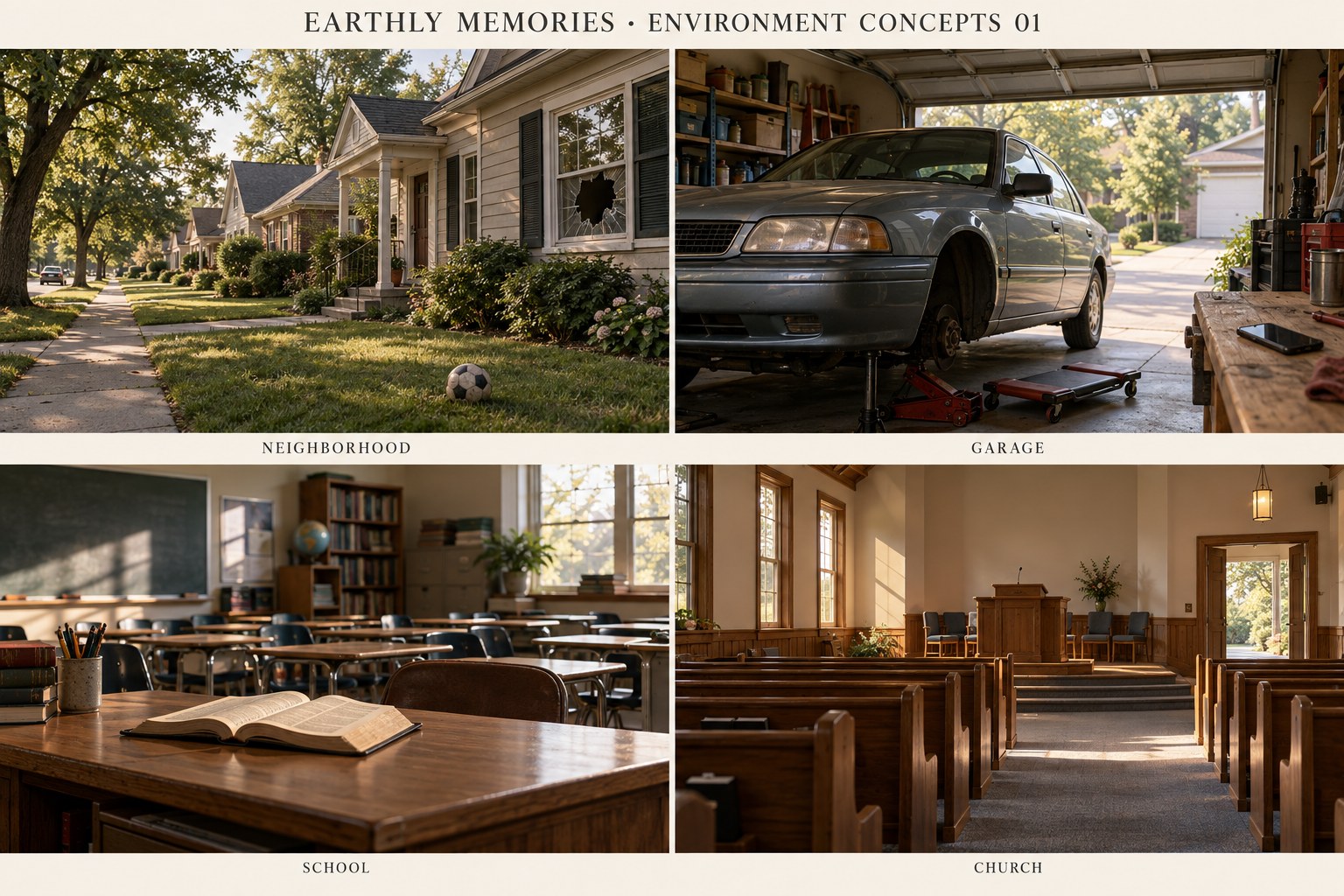
Movie-production concept; final scene still remains to be selected.
Why was the narrator protected while other people endured terrible suffering?
Describe the scene, identify the surprise, and separate the narrative explanation from biblical evidence.
Open the Bible together
HEBREWS 1:13-14 + PSALM 34:7
Angels minister under God’s authority. The passages assure believers of His care; they do not provide a formula predicting that every danger will end in visible rescue. How does trust differ from a guarantee of comfort?
JOHN 9:1-3 + LUKE 13:1-5
Jesus rejects simplistic equations between particular suffering and exceptional guilt. Do not treat someone’s illness or death as evidence that God loved them less. What attitudes does Jesus correct?
ROMANS 8:31-39 + HEBREWS 11:32-40
Some believers experience deliverance; others remain faithful through suffering and death. Both are included in faith’s story. God’s love is not measured only by whether the crisis ends as we wanted.
From the passage to Christ
THE CONNECTED PICTURE
Set the narrator's rescue beside Christ's suffering. Deliverance and endurance are both biblical experiences; neither licenses us to assign blame to victims.
THE CENTRAL QUESTION
Hebrews 1:13–14: What do ministering spirits do? John 9:1–3: What explanation of suffering does Jesus reject? Romans 8:31–39: What cannot separate believers from God? Luke 16:19–31: How are status and ultimate outcomes reversed?
EXPLAIN IT IN THREE SENTENCES
First: what the passage says in its original setting. Second: how the Adventist understanding brings the passages together. Third: how the movie illustrates that conclusion. Do not let an attractive scene substitute for the argument. Ask which connection reveals Christ’s work or character.
Trace the biblical movement
1. PROTECTION
Acts 12:6-11 / Peter experiences rescue.
2. SUFFERING
Acts 12:1-2 / James is killed; the chapter includes both outcomes.
3. UNBROKEN LOVE
Romans 8:35-39 / Suffering cannot separate believers from Christ’s love.
Use the passages to explain each step. A solid link needs textual support; use a dotted link for an illustration or a proposal that remains uncertain.
Questions worth taking seriously
Explore the objections and replies
WHY DID GOD SAVE HIM BUT NOT MY CHILD?
Acknowledge the pain before offering a framework. We do not know the hidden reason for an individual tragedy. The cross establishes God’s solidarity and love, not an explanation of every loss. Offer practical care and space for lament.
IS EVERY TRIAL WITHIN MY CAPACITY?
Do not use 1 Corinthians 10:13 as a promise that trauma cannot overwhelm a person. Its subject is temptation. Paul describes affliction beyond his strength in 2 Corinthians 1:8-9. Seeking help is not a failure of faith.
DOES BELIEF IN ANGELS REPLACE PRECAUTIONS?
No. God’s care does not authorize reckless exposure to danger; read Matthew 4:5-7. Ordinary safety, medical care, and protection from abuse are compatible with trust. A rescue testimony must not become advice to test God.
Build the picture yourself
Make a care map: listen, lament, practical support, professional or pastoral help when wanted. For each, name one action the group can take without claiming to know why another person suffered.
Let the truth shape your life
Read the first passage again. Identify what it reveals about God, what it asks of you, and how Christ supplies hope or help. Pray with one specific response in mind.
What practical care can you offer someone whose suffering you cannot explain?
Guide the next conversation
75-MINUTE ROUTE
Scene and observation 10 / Bible investigation 20 / Christ-centered connection and map 15 / strongest objection 15 / visual activity 5 / response and prayer 10. Use a second meeting when the questions need it; do not force agreement to finish a schedule.
ISSUE-SPECIFIC GUIDANCE
Avoid mandatory trauma disclosures and explanations that blame victims. When abuse is disclosed, prioritize safety and appropriate support rather than a theological debate. The narrator’s angel conversation is imaginative, not privileged knowledge about someone else’s life.
SOURCE AND INVITATION
Story: Heaven’s Diary transcript, 44:25–48:04. Method: Phototheology Core Method v2. Apologetics sources and editorial limitations are mapped in the accompanying source register. This is new editorial wording, not a verbatim Ivor Myers quotation. Invite a voluntary next step and preserve unresolved questions.
Notes are not sent or saved. Copy them before leaving this page.
Study 17 podcast · 17:35
Where Were Their Angels?
Why was the narrator protected while other people endured terrible suffering? Explore the Bible passages, Christ-centered connections and answers to common questions with the matching study.
AI-narrated with NotebookLM; edited by Power of the Lamb.
Download MP3Machine transcript
Study 17 PDF · Read Study 17 online
ISSUE 18 / EXPANDED GRAPHIC STUDYThe First Sabbath
Open the 9-page illustrated PDF
Enter the story

Movie-production concept; final scene still remains to be selected.
Why does the courtroom linger over God blessing the seventh day?
Describe the scene, identify the surprise, and separate the narrative explanation from biblical evidence.
Open the Bible together
GENESIS 1:1-2:3 + EXODUS 20:8-11
Adventists affirm the historical Genesis creation account and a recent creation week of six literal days followed by the seventh-day Sabbath, the same seven-day unit we know today. The Creator made humanity in His image. Observe the completed work, rest, blessing, and sanctifying of the seventh day. Do not turn this into an unsupported date for the entire universe.
EXODUS 20:8-11 + DEUTERONOMY 5:12-15
The fourth commandment calls all people to seventh-day rest, worship, and ministry. Adventists observe Sabbath from Friday sunset to Saturday sunset. Its creation and redemption meaning belongs to grace, not earning salvation. Rest includes others within the household; it must not merely shift one person’s burdens onto another.
MARK 2:23-28 + EZEKIEL 20:12
Jesus teaches Sabbath’s human benefit and His lordship. Ezekiel calls it a sign of God’s sanctifying work. The day directs dependence toward the One who makes holy; it is not a method of self-salvation.
From the passage to Christ
THE CONNECTED PICTURE
Connect creation rest with dependence on the Creator. The day is a gift and sign; it does not make human rest a payment for righteousness. The movie's comparison between heavenly rest and Sabbath is an application.
THE CENTRAL QUESTION
Genesis 2:1–3: What does God do to this day? Exodus 20:8–11: What reason is given for the command? Mark 2:23–28: For whom was Sabbath made? Ezekiel 20:12: Who sanctifies?
EXPLAIN IT IN THREE SENTENCES
First: what the passage says in its original setting. Second: how the Adventist understanding brings the passages together. Third: how the movie illustrates that conclusion. Do not let an attractive scene substitute for the argument. Ask which connection reveals Christ’s work or character.
Trace the biblical movement
1. CREATION
Genesis 2:1-3 / God blesses the seventh day.
2. DELIVERANCE
Deuteronomy 5:15 / Freed people extend rest to others.
3. RELATIONSHIP
Ezekiel 20:12 / God is the One who sanctifies.
Use the passages to explain each step. A solid link needs textual support; use a dotted link for an illustration or a proposal that remains uncertain.
Questions worth taking seriously
Explore the objections and replies
ISN’T SABBATH ONLY JEWISH?
Its creation foundation precedes Israel, and Jesus says it was made for humanity. It also has a specific covenant role in Exodus 31. A serious case considers both rather than denying either. Issue 22 examines New Testament objections more fully.
IS KEEPING A DAY LEGALISTIC?
A practice can be distorted into earning, but that does not settle whether the practice itself is biblical. The Adventist case receives Sabbath as God’s gift and command within grace. Ask what trusting the Giver looks like.
DID JESUS BREAK THE SABBATH?
Read Mark 2:23-3:6. Jesus challenges interpretations that obstruct mercy and asserts His lordship. Explain His argument from the passage instead of assuming that healing either abolishes Sabbath or has nothing to teach about its purpose.
Build the picture yourself
Design a Sabbath day with four spaces: worship, rest, mercy, relationship. Add one passage and one realistic practice in each. Include how workers and dependents could share the rest rather than carry your burdens.
Let the truth shape your life
Read the first passage again. Identify what it reveals about God, what it asks of you, and how Christ supplies hope or help. Pray with one specific response in mind.
What might one day centered on God, rest, mercy, and relationships look like?
Guide the next conversation
75-MINUTE ROUTE
Scene and observation 10 / Bible investigation 20 / Christ-centered connection and map 15 / strongest objection 15 / visual activity 5 / response and prayer 10. Use a second meeting when the questions need it; do not force agreement to finish a schedule.
ISSUE-SPECIFIC GUIDANCE
Introduce the day as a Christ-centered gift before debating calendar controversies. Define sanctify as set apart or make holy in context. Invite exploration, not an instant public pledge.
SOURCE AND INVITATION
Story: Heaven’s Diary transcript, 48:04–50:06. Method: Phototheology Core Method v2. Apologetics sources and editorial limitations are mapped in the accompanying source register. This is new editorial wording, not a verbatim Ivor Myers quotation. Invite a voluntary next step and preserve unresolved questions.
Notes are not sent or saved. Copy them before leaving this page.
Study 18 podcast · 21:53
The First Sabbath
Why does the courtroom linger over God blessing the seventh day? Explore the Bible passages, Christ-centered connections and answers to common questions with the matching study.
AI-narrated with NotebookLM; edited by Power of the Lamb.
Download MP3Machine transcript
Study 18 PDF · Read Study 18 online
ISSUE 19 / EXPANDED GRAPHIC STUDYThe Tree and the Covering
Open the 9-page illustrated PDF
Enter the story
Movie-production concept; final scene still remains to be selected.
Why does God allow a real choice, then seek the people who hide from Him?
Describe the scene, identify the surprise, and separate the narrative explanation from biblical evidence.
Open the Bible together
GENESIS 2:15-17 + 3:1-7
Trace God’s instruction, the serpent’s distortion, the choice, and its consequences. Sin involves distrust and disobedience, not merely breaking an arbitrary visual rule. What changes in the couple’s understanding and relationship?
GENESIS 3:8-21
God seeks, questions, judges, promises conflict with the serpent, and provides clothing. Separate what the text directly narrates from later explanations of sacrificial symbolism. The chapter does not describe every detail of an animal-offering ceremony.
ROMANS 5:12-21 + 2 CORINTHIANS 5:17-21
Paul contrasts Adam and Christ and describes reconciliation. Christ answers the human failure with a greater provision of grace. The covering can illustrate gracious provision without every garment detail becoming a predicted feature of the cross.
From the passage to Christ
THE CONNECTED PICTURE
Trace distrust → disobedience → shame → divine pursuit → promised victory. Clothing provides an illustration of gracious provision. Genesis 3:21 does not explicitly narrate a sacrificial ceremony or explain every meaning assigned to it.
THE CENTRAL QUESTION
Genesis 2:15–17; 3:1–21: What is commanded, doubted, chosen, and promised? Romans 5:12–21: How does Paul compare Adam and Christ? Revelation 13:8: What does redemption reveal about God's purpose?
EXPLAIN IT IN THREE SENTENCES
First: what the passage says in its original setting. Second: how the Adventist understanding brings the passages together. Third: how the movie illustrates that conclusion. Do not let an attractive scene substitute for the argument. Ask which connection reveals Christ’s work or character.
Trace the biblical movement
1. DISTRUST
Genesis 3:1-6 / God’s goodness and word are questioned.
2. SHAME AND PURSUIT
Genesis 3:7-13 / Humanity hides; God addresses the guilty.
3. GRACIOUS PROVISION
Genesis 3:15, 21; Romans 5 / Judgment does not erase the promise of rescue.
Use the passages to explain each step. A solid link needs textual support; use a dotted link for an illustration or a proposal that remains uncertain.
Questions worth taking seriously
Explore the objections and replies
WHY PUT THE TREE THERE?
The story presents a meaningful command and choice. Freedom helps explain responsibility, but the text does not give a complete philosophical account of every divine motive. God’s permission is not identical to tempting them to evil.
COULDN’T GOD SIMPLY STOP THE CHOICE?
A prevented action and a freely trusted relationship are different. The freedom argument is a theological explanation of the narrative, not an explicit speech from Genesis. State its usefulness and its limits rather than claiming all difficulty is solved.
WAS THE CLOTHING A SACRIFICE?
Genesis 3:21 explicitly describes garments of skin. Christian readers often see a pattern of gracious covering and anticipate sacrifice. The passage does not explicitly narrate a ritual offering or provide a full atonement explanation; later Scripture supplies the gospel’s clear foundation.
Build the picture yourself
Draw four frames: trust questioned, choice made, shame experienced, God seeking. Give every frame a Genesis reference. Add Christ’s answer in a fifth frame using Romans 5; explain the connection in words.
Let the truth shape your life
Read the first passage again. Identify what it reveals about God, what it asks of you, and how Christ supplies hope or help. Pray with one specific response in mind.
Where are you hiding from God? What would accepting His invitation look like?
Guide the next conversation
75-MINUTE ROUTE
Scene and observation 10 / Bible investigation 20 / Christ-centered connection and map 15 / strongest objection 15 / visual activity 5 / response and prayer 10. Use a second meeting when the questions need it; do not force agreement to finish a schedule.
ISSUE-SPECIFIC GUIDANCE
Do not portray God as eager to catch people failing. Keep the narrative’s seriousness and grace together. Invite confession and trust without forcing participants to disclose private sins to the group.
SOURCE AND INVITATION
Story: Heaven’s Diary transcript, 50:06–54:14. Method: Phototheology Core Method v2. Apologetics sources and editorial limitations are mapped in the accompanying source register. This is new editorial wording, not a verbatim Ivor Myers quotation. Invite a voluntary next step and preserve unresolved questions.
Notes are not sent or saved. Copy them before leaving this page.
Study 19 podcast · 16:13
The Tree and the Covering
Why does God allow a real choice, then seek the people who hide from Him? Explore the Bible passages, Christ-centered connections and answers to common questions with the matching study.
AI-narrated with NotebookLM; edited by Power of the Lamb.
Download MP3Machine transcript
Study 19 PDF · Read Study 19 online
ISSUE 20 / EXPANDED GRAPHIC STUDYMercy Before Judgment
Open the 9-page illustrated PDF
Enter the story

Movie-production concept; final scene still remains to be selected.
What do the Flood, Sodom, and Egypt reveal when the courtroom reviews them?
Describe the scene, identify the surprise, and separate the narrative explanation from biblical evidence.
Open the Bible together
GENESIS 6:5-8, 13-22 + 7:17-24
Adventists accept Genesis’ global Flood as a historical judgment, not merely a legend. Read God’s grief over evil, the warning, and the ark’s provision together. The story joins judgment with rescue. Do not skip the loss of life or reduce the account to a cheerful building project.
GENESIS 18:20-33 + 19:1-29
Abraham raises the question of justice. Read the violence and attempted assault in their narrative setting. God’s patience and the victims of human evil both matter. What does Abraham assume about the Judge’s character?
EXODUS 8:8-15, 25-32 + 12:37-38
Observe Pharaoh’s appeals and repeated resistance, then the mixed multitude leaving Egypt. The pattern illustrates mercy and response. It does not prove every person’s opportunities were identical or that God’s dealing is a mechanical formula.
From the passage to Christ
THE CONNECTED PICTURE
Observe a recurring pattern of evil, warning, opportunity, resistance, and judgment. A pattern invites comparison; it does not prove every case involved identical opportunities.
THE CENTRAL QUESTION
Genesis 6:5–8, 13–22: What causes grief, and what provision is made? Genesis 18:20–33: What does Abraham ask about justice? Exodus 8:8–15: How does Pharaoh respond to relief? 2 Peter 3:9: What is God's desire?
EXPLAIN IT IN THREE SENTENCES
First: what the passage says in its original setting. Second: how the Adventist understanding brings the passages together. Third: how the movie illustrates that conclusion. Do not let an attractive scene substitute for the argument. Ask which connection reveals Christ’s work or character.
Trace the biblical movement
1. EVIL EXPOSED
Genesis 6; Genesis 18-19; Exodus / Judgment responds to real harm.
2. MERCY AND WARNING
God provides opportunities to turn and ways of rescue.
3. RESPONSE MATTERS
Warning can be resisted; grace does not mean choices are unreal.
Use the passages to explain each step. A solid link needs textual support; use a dotted link for an illustration or a proposal that remains uncertain.
Questions worth taking seriously
Explore the objections and replies
ISN’T THIS DIVINE VIOLENCE?
Do not evade the severity. The Bible places these judgments within a moral history of human violence and God’s action. Warning and rescue are relevant, but do not automatically remove every question about proportionality and suffering.
WERE THE PEOPLE SIMPLY UNINFORMED?
These narratives describe specific warnings and resistance. They do not authorize us to assume equal knowledge or culpability for every human being in every age. God’s individual judgment exceeds what a short summary can reveal.
DOES A PATTERN ANSWER EVERY CASE?
A repeated sequence can illuminate God’s character, but a pattern is not a substitute for the facts of a particular account. Keep the original contexts, remaining questions, and Christ’s revelation of God in view.
Build the picture yourself
Create a case board with rows Flood, Sodom, Egypt and columns harm, warning, mercy, response, remaining question. Fill only what the passages support. Do not invent evidence to make the board appear complete.
Let the truth shape your life
Read the first passage again. Identify what it reveals about God, what it asks of you, and how Christ supplies hope or help. Pray with one specific response in mind.
Where might you be resisting a merciful warning? How can you warn others without threats or contempt?
Guide the next conversation
75-MINUTE ROUTE
Scene and observation 10 / Bible investigation 20 / Christ-centered connection and map 15 / strongest objection 15 / visual activity 5 / response and prayer 10. Use a second meeting when the questions need it; do not force agreement to finish a schedule.
ISSUE-SPECIFIC GUIDANCE
Avoid sensational descriptions and blaming contemporary disasters on named people’s sins. Let lament and moral questions remain legitimate. End with a personal response to grace, not speculation about who deserves a catastrophe.
SOURCE AND INVITATION
Story: Heaven’s Diary transcript, 54:19–58:14. Method: Phototheology Core Method v2. Apologetics sources and editorial limitations are mapped in the accompanying source register. This is new editorial wording, not a verbatim Ivor Myers quotation. Invite a voluntary next step and preserve unresolved questions.
Notes are not sent or saved. Copy them before leaving this page.
Study 20 podcast · 21:02
Mercy Before Judgment
What do the Flood, Sodom, and Egypt reveal when the courtroom reviews them? Explore the Bible passages, Christ-centered connections and answers to common questions with the matching study.
AI-narrated with NotebookLM; edited by Power of the Lamb.
Download MP3Machine transcript
Study 20 PDF · Read Study 20 online
ISSUE 21 / EXPANDED GRAPHIC STUDYThe Hardest Case
Open the 9-page illustrated PDF
Enter the story
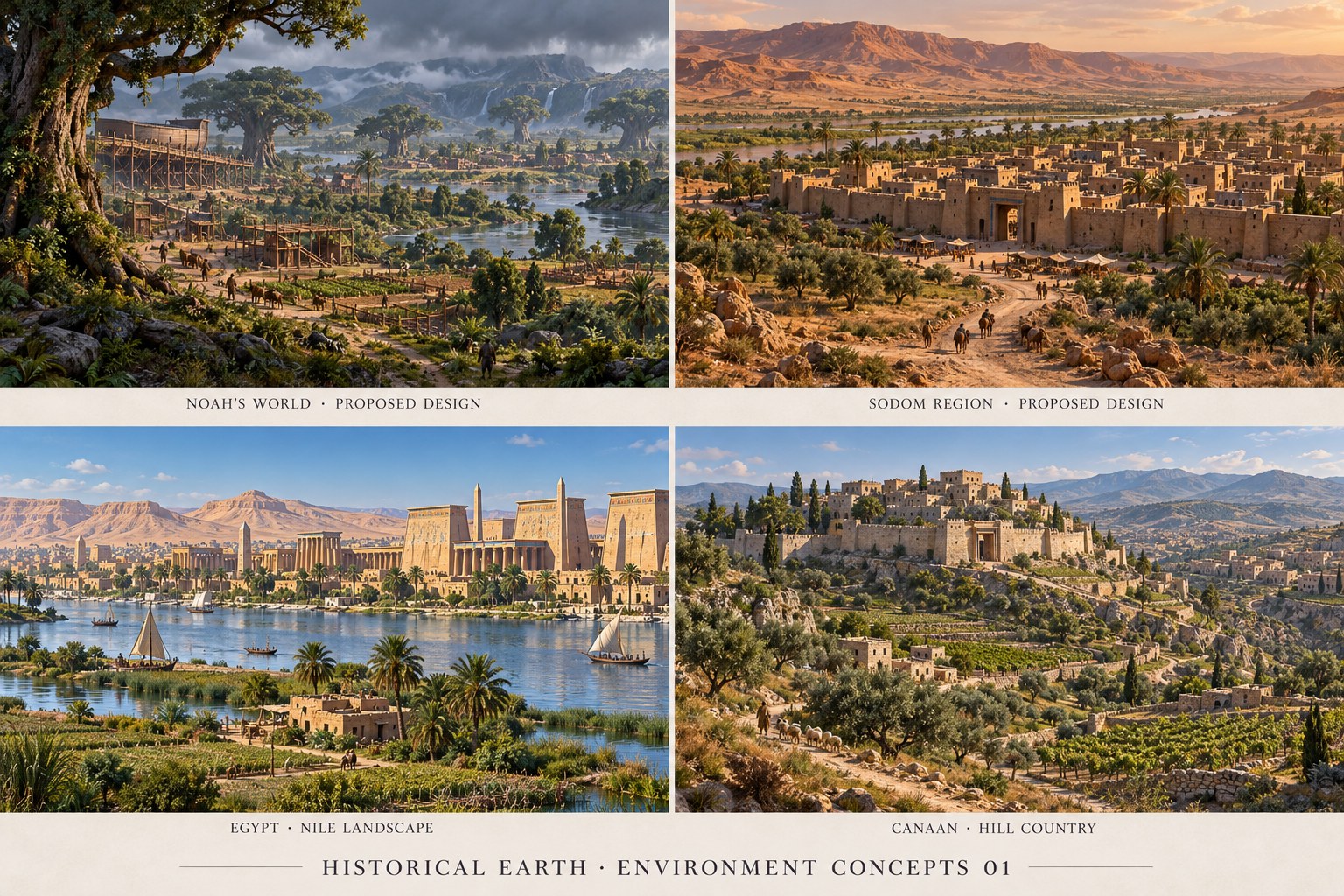
Movie-production concept; final scene still remains to be selected.
Why does the courtroom face questions about the conquest of Canaan?
Describe the scene, identify the surprise, and separate the narrative explanation from biblical evidence.
Open the Bible together
GENESIS 15:13-16 + DEUTERONOMY 9:4-6
The narrative includes delay and explicitly rejects Israel’s self-righteousness. Judgment is not proof that one ethnicity is inherently better. Ask how these texts challenge a nationalistic retelling of the conquest.
DEUTERONOMY 20:10-18
Distinguish the instructions for distant cities from the named Canaanite peoples. Read verses 15-18 before applying the peace terms to every case. The text’s different categories must not be erased to make the objection easier.
JOSHUA 2 + 6:22-25; LEVITICUS 18:24-30
Rahab’s rescue crosses an ethnic boundary; Israel is also warned about judgment for the land’s practices. These texts show moral accountability and mercy without claiming to explain the fate of every individual child.
From the passage to Christ
THE CONNECTED PICTURE
Compare accountability for Canaan with accountability for Israel in Leviticus 18:24–30. Neither ethnicity is morally exempt. Rahab shows mercy crossing a national boundary.
THE CENTRAL QUESTION
Genesis 15:13–16: What delay is described? Deuteronomy 9:4–6: Does Israel deserve the land by superior righteousness? Deuteronomy 20:10–18: Distinguish distant cities from named Canaanite nations. Joshua 2; 6:22–25: What happens to Rahab?
EXPLAIN IT IN THREE SENTENCES
First: what the passage says in its original setting. Second: how the Adventist understanding brings the passages together. Third: how the movie illustrates that conclusion. Do not let an attractive scene substitute for the argument. Ask which connection reveals Christ’s work or character.
Trace the biblical movement
1. NO ETHNIC SUPERIORITY
Deuteronomy 9:4-6 / Israel is not awarded a claim to inherent righteousness.
2. THE TEXT’S DISTINCTIONS
Deuteronomy 20:10-18 / Different instructions must be read accurately.
3. MERCY AND ACCOUNTABILITY
Joshua 2; Leviticus 18 / Outsiders can be received; Israel is accountable too.
Use the passages to explain each step. A solid link needs textual support; use a dotted link for an illustration or a proposal that remains uncertain.
Questions worth taking seriously
Explore the objections and replies
WHAT ABOUT THE CHILDREN?
This is a grave moral question, not a debating trick. Acknowledge the deaths and the limits of our information. The available texts do not permit an invented medical diagnosis or a complete account of every child’s destiny.
WERE THE NATIONS BIOLOGICALLY BEYOND HOPE?
The movie proposes biological degeneration through repeated incest. Leviticus 18 condemns practices but does not establish the proposed diagnosis, universal genetic condition, or claim that every remaining person was medically or spiritually irredeemable. Do not teach that speculation as fact.
CAN THIS JUSTIFY VIOLENCE TODAY?
No. Ancient judgment narratives do not authorize modern religious conquest or violence against other communities. Read Matthew 5:43-48 and John 18:36. Christian witness follows Christ’s instruction and cannot claim a private mandate to repeat the conquest.
Build the picture yourself
Make a three-column page: what the text states, what the movie proposes, what remains unanswered. Place the medical explanation and the universal peace-offer claim in the correct column, then write the strongest honest question still remaining.
Let the truth shape your life
Read the first passage again. Identify what it reveals about God, what it asks of you, and how Christ supplies hope or help. Pray with one specific response in mind.
Can you bring a hard question to God without pretending you already have a complete answer?
Guide the next conversation
75-MINUTE ROUTE
Scene and observation 10 / Bible investigation 20 / Christ-centered connection and map 15 / strongest objection 15 / visual activity 5 / response and prayer 10. Use a second meeting when the questions need it; do not force agreement to finish a schedule.
ISSUE-SPECIFIC GUIDANCE
Allow a second session. Do not turn disability or inherited disease into evidence of moral inferiority. The study should demonstrate careful reading and humility, not offer an invented explanation to win at any cost.
SOURCE AND INVITATION
Story: Heaven’s Diary transcript, 58:23–63:04. Method: Phototheology Core Method v2. Apologetics sources and editorial limitations are mapped in the accompanying source register. This is new editorial wording, not a verbatim Ivor Myers quotation. Invite a voluntary next step and preserve unresolved questions.
Notes are not sent or saved. Copy them before leaving this page.
Study 21 podcast · 18:38
The Hardest Case
Why does the courtroom face questions about the conquest of Canaan? Explore the Bible passages, Christ-centered connections and answers to common questions with the matching study.
AI-narrated with NotebookLM; edited by Power of the Lamb.
Download MP3Machine transcript
Study 21 PDF · Read Study 21 online
ISSUE 22 / EXPANDED GRAPHIC STUDYTheir First Sabbath in Heaven
Open the 9-page illustrated PDF
Enter the story
Movie-production concept; final scene still remains to be selected.
Why are Christians from many denominations discovering Sabbath together?
Describe the scene, identify the surprise, and separate the narrative explanation from biblical evidence.
Open the Bible together
ISAIAH 56:1-8 + 66:22-23
Foreigners are welcomed into worship, and restored creation includes Sabbath. The seventh day is God’s continuing creation memorial and a sign of sanctification and redemption, not a privilege restricted to one ethnicity. Its observance is Friday sunset to Saturday sunset. Read the texts before applying their promises to the narrator’s first Sabbath.
LUKE 23:54-24:3 + MARK 2:27-28
Distinguish preparation, Sabbath, and the first day in the burial/resurrection narrative. Jesus is Lord of the Sabbath. The resurrection is central to faith, but this narrative does not command a transfer of seventh-day holiness to Sunday.
COLOSSIANS 2:13-17 + ROMANS 14:1-6
Read Paul’s concerns about condemnation, shadows, food, and observing days. The Adventist view must explain these passages rather than ignore them. Compare their immediate arguments with creation Sabbath and the moral law.
From the passage to Christ
THE CONNECTED PICTURE
Link creation, redemption, and new creation through Sabbath. Read Hebrews 4:1–11 as a call to enter God's rest; avoid reducing its rich argument to a single calendar proof.
THE CENTRAL QUESTION
Isaiah 56:1–8: Who is welcomed? Isaiah 66:22–23: What worship is pictured? Luke 23:54–24:3: Distinguish Sabbath and the first day. Romans 14:1–6 and Colossians 2:13–17: What are Paul's concerns? John 14:15: How does love respond?
EXPLAIN IT IN THREE SENTENCES
First: what the passage says in its original setting. Second: how the Adventist understanding brings the passages together. Third: how the movie illustrates that conclusion. Do not let an attractive scene substitute for the argument. Ask which connection reveals Christ’s work or character.
Trace the biblical movement
1. CREATION GIFT
Genesis 2:1-3 / The seventh day is blessed.
2. REDEMPTIVE REST
Deuteronomy 5:15; Mark 2 / The gift belongs to liberation and mercy.
3. WORLDWIDE WORSHIP
Isaiah 56; 66 / The invitation reaches beyond one people.
Use the passages to explain each step. A solid link needs textual support; use a dotted link for an illustration or a proposal that remains uncertain.
Questions worth taking seriously
Explore the objections and replies
DOES COLOSSIANS ABOLISH SABBATH?
Adventists distinguish the creation Sabbath from ceremonial shadows and read Paul as resisting imposed condemnation rather than repealing God’s creation gift. Compare Genesis 2:1-3 and Mark 2:27-28. The festival/new moon/Sabbath formula can indicate annual/monthly/weekly observance; explain why Paul’s argument should not be treated as canceling the creation command.
DOES ROMANS 14 MAKE EVERY DAY OPTIONAL?
Paul discusses food, disputed days, conscience, and contempt without explicitly naming the seventh-day Sabbath. Adventists read that dispute alongside the explicit creation command rather than as its repeal. Other Christians apply the day principle more broadly. Compare the two readings: does liberty concerning disputed practices establish permission to set aside every commanded practice?
ARE SUNDAY CHRISTIANS AUTOMATICALLY LOST?
No. The film itself pictures sincere believers from many backgrounds. Salvation is in Christ, and God judges with knowledge of the light received. Invite readers to follow new conviction; do not pronounce the destiny of whole denominations or substitute affiliation for faith.
Build the picture yourself
Plan a first Sabbath experience: sunset-to-sunset rest, worship, mercy, and questions to bring. Read Leviticus 23:32 in context when discussing boundaries; distinguish its specific festival setting from the broader Adventist practice. Name the Adventist congregation before accepting a visit invitation.
Let the truth shape your life
Read the first passage again. Identify what it reveals about God, what it asks of you, and how Christ supplies hope or help. Pray with one specific response in mind.
Would you like to experience a Sabbath gathering and ask questions? The optional invitation names the Seventh-day Adventist church clearly.
Guide the next conversation
75-MINUTE ROUTE
Scene and observation 10 / Bible investigation 20 / Christ-centered connection and map 15 / strongest objection 15 / visual activity 5 / response and prayer 10. Use a second meeting when the questions need it; do not force agreement to finish a schedule.
ISSUE-SPECIFIC GUIDANCE
Offer a voluntary Living Manna or local Adventist visit and a keep-studying option. Do not transfer contact details without specific consent. Sunday-history claims require sourced historical treatment rather than a compressed accusation.
SOURCE AND INVITATION
Story: Heaven’s Diary transcript, 63:04–66:51. Method: Phototheology Core Method v2. Apologetics sources and editorial limitations are mapped in the accompanying source register. This is new editorial wording, not a verbatim Ivor Myers quotation. Invite a voluntary next step and preserve unresolved questions.
Notes are not sent or saved. Copy them before leaving this page.
Study 22 podcast · 24:18
Their First Sabbath in Heaven
Why are Christians from many denominations discovering Sabbath together? Explore the Bible passages, Christ-centered connections and answers to common questions with the matching study.
AI-narrated with NotebookLM; edited by Power of the Lamb.
Download MP3Machine transcript
Study 22 PDF · Read Study 22 online
ISSUE 23 / EXPANDED GRAPHIC STUDYWhen Heaven Said Goodbye
Open the 9-page illustrated PDF
Enter the story
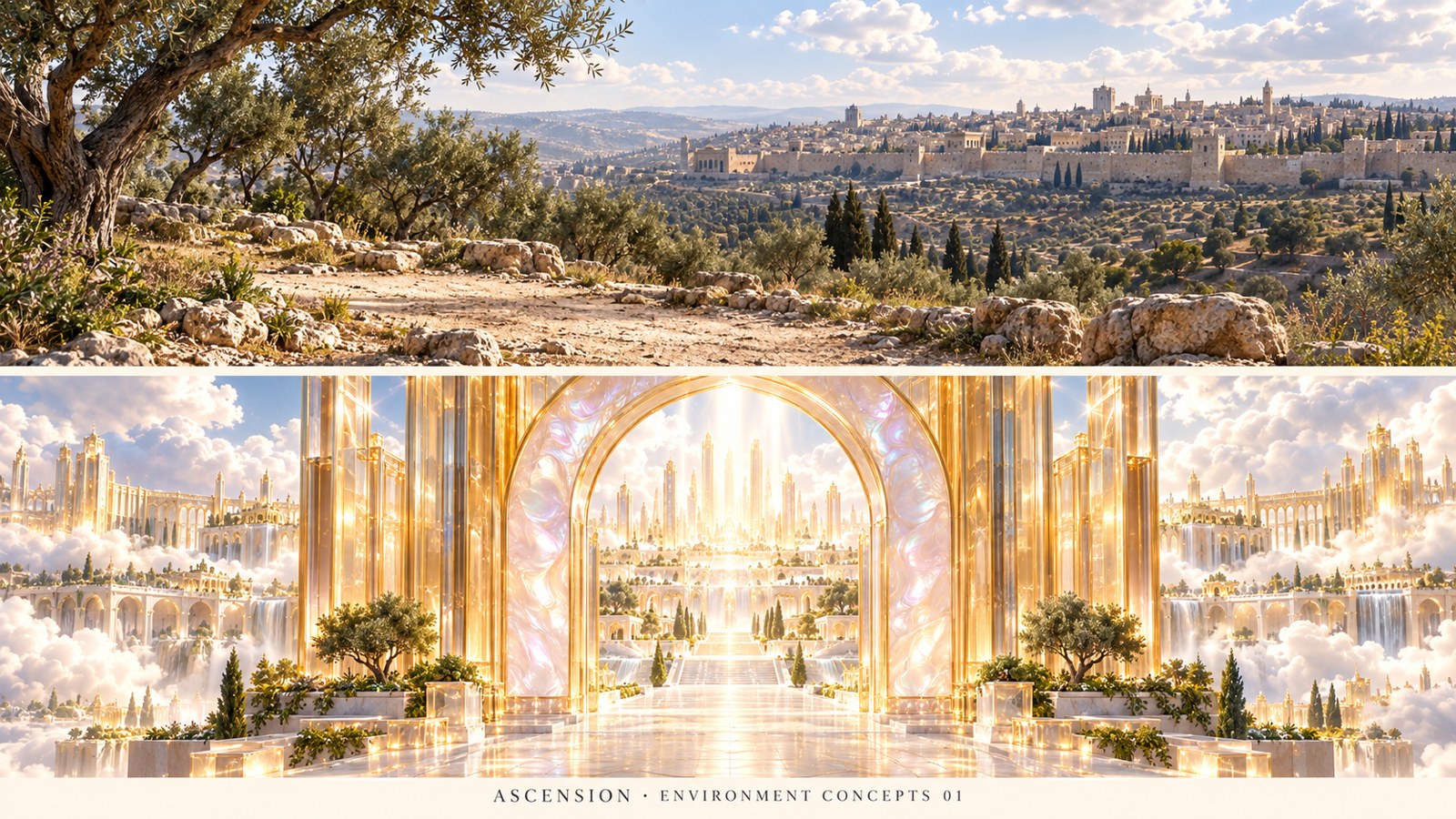
Movie-production concept; final scene still remains to be selected.
Why does the Son leave heaven, and why can no angel take His place?
Describe the scene, identify the surprise, and separate the narrative explanation from biblical evidence.
Open the Bible together
JOHN 1:1-3, 14
The Word is divine, active in creation, and becomes flesh. Read these statements together. The incarnation does not mean a created angel becomes a better creature; it is the eternal Son taking human nature.
PHILIPPIANS 2:5-11
Trace humility, servant life, obedience, death, and exaltation. The passage calls believers to His mindset. Self-emptying must not be turned into a denial that the One who humbles Himself is truly divine.
HEBREWS 2:14-18 + 4:14-16
The eternal Son remained fully divine when He became truly human. He was conceived by the Holy Spirit and born of the virgin Mary (Luke 1:26-35). He faced temptation without sin, died, rose bodily, and ministers as our High Priest. His real humanity and undiminished divinity must be affirmed together.
From the passage to Christ
THE CONNECTED PICTURE
Follow Creator → incarnation → servant → faithful High Priest. Christ is both fully divine and fully human; His humility does not make Him a created being.
THE CENTRAL QUESTION
John 1:1–3, 14: Who becomes flesh? Philippians 2:5–11: What does His self-humbling involve? Hebrews 2:14–18; 4:14–16: Why does shared humanity matter? Matthew 28:19: Who is named together?
EXPLAIN IT IN THREE SENTENCES
First: what the passage says in its original setting. Second: how the Adventist understanding brings the passages together. Third: how the movie illustrates that conclusion. Do not let an attractive scene substitute for the argument. Ask which connection reveals Christ’s work or character.
Trace the biblical movement
1. THE ETERNAL WORD
John 1:1-3 / He is not part of the created order He brings into being.
2. THE WORD BECOMES FLESH
John 1:14 / He truly enters human life.
3. THE COMPASSIONATE HIGH PRIEST
Hebrews 4:14-16 / Draw near to receive mercy and help.
Use the passages to explain each step. A solid link needs textual support; use a dotted link for an illustration or a proposal that remains uncertain.
Questions worth taking seriously
Explore the objections and replies
IF HE DEPENDED ON THE FATHER, WAS HE LESS THAN GOD?
The New Testament portrays genuine human dependence and divine identity. Dependence within the incarnate mission does not by itself establish that the Son is a created or lesser deity. Read John 1 and Philippians 2 together.
IS THE TRINITY THREE GODS?
No. Adventists affirm one God: Father, Son, and Holy Spirit, three coeternal Persons, each fully divine. They are not competing gods, created beings, or one Person changing masks. Read Deuteronomy 6:4; Matthew 3:16-17; 28:19; John 1:1-3; Acts 5:3-4. Distinguish the three Persons without dividing God’s unity.
DID THE FAREWELL REALLY HAPPEN THAT WAY?
The film’s embraces, angelic offers, and detailed heavenly dialogue are imaginative. Scripture reveals the Son’s mission and love, but does not report this entire farewell scene. Let the scene awaken wonder without presenting invented details as revelation.
Build the picture yourself
Make three frames labeled Creator, Incarnate Son, High Priest. For each, write one passage and one implication for approaching Christ. Add a border note: three perspectives on the same Savior, not three stages of becoming divine.
Let the truth shape your life
Read the first passage again. Identify what it reveals about God, what it asks of you, and how Christ supplies hope or help. Pray with one specific response in mind.
What does Christ's willingness to share human weakness tell you about approaching Him?
Guide the next conversation
75-MINUTE ROUTE
Scene and observation 10 / Bible investigation 20 / Christ-centered connection and map 15 / strongest objection 15 / visual activity 5 / response and prayer 10. Use a second meeting when the questions need it; do not force agreement to finish a schedule.
ISSUE-SPECIFIC GUIDANCE
Use the ministry’s Godhead objections as a starting point, keeping biblical texts primary. Define incarnation and Trinity plainly. Invite prayer to the Savior who knows human weakness without making the scene’s artistic details doctrinal tests.
SOURCE AND INVITATION
Story: Heaven’s Diary transcript, 67:00–69:39. Method: Phototheology Core Method v2. Apologetics sources and editorial limitations are mapped in the accompanying source register. This is new editorial wording, not a verbatim Ivor Myers quotation. Invite a voluntary next step and preserve unresolved questions.
Notes are not sent or saved. Copy them before leaving this page.
Study 23 podcast · 19:46
When Heaven Said Goodbye
Why does the Son leave heaven, and why can no angel take His place? Explore the Bible passages, Christ-centered connections and answers to common questions with the matching study.
AI-narrated with NotebookLM; edited by Power of the Lamb.
Download MP3Machine transcript
Study 23 PDF · Read Study 23 online
ISSUE 24 / EXPANDED GRAPHIC STUDYThe King of Glory
Open the 9-page illustrated PDF
Enter the story
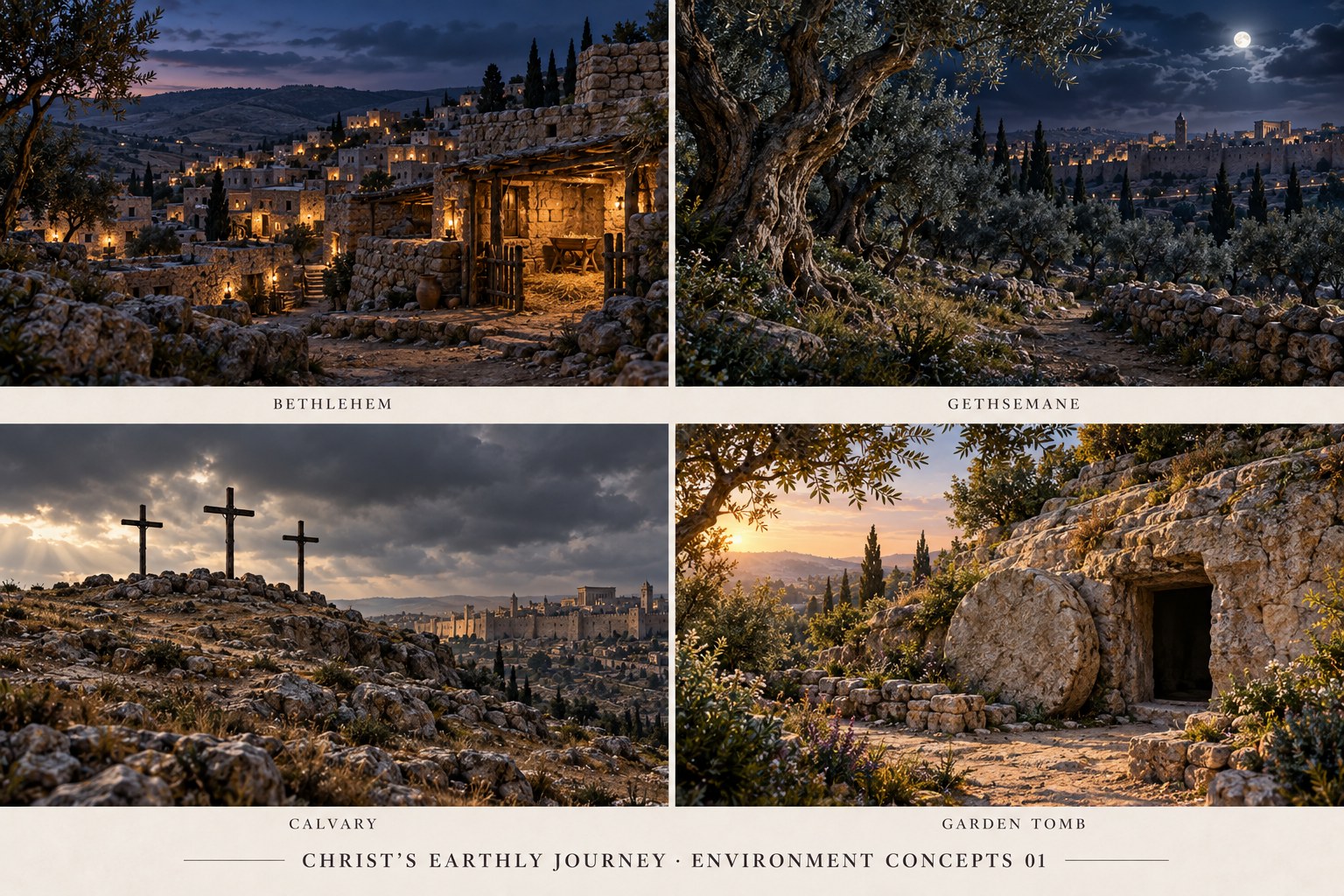
Movie-production concept; final scene still remains to be selected.
Why does Jesus refuse rescue, and why does His resurrection answer the narrator's opening cry?
Describe the scene, identify the surprise, and separate the narrative explanation from biblical evidence.
Open the Bible together
MATTHEW 26:36-54 + ROMANS 5:6-11
Jesus chooses His saving mission. His death is substitutionary: He bears our sins and their condemnation in our place, reconciles us to God, and reveals His love (Isaiah 53; 1 Peter 2:24). His sacrifice is sufficient, once for all, and transforms those who receive Him. The cross is more than an inspiring example.
JOHN 10:17-18 + 1 CORINTHIANS 15:20-23
Christ’s authority over His life and His resurrection ground the hope of those who belong to Him. Firstfruits means His victory points toward theirs. Return to the narrator’s opening plea and identify the foundation beneath his awakening.
ACTS 1:9-11 + ROMANS 6:1-11
Christ returns literally and visibly. Baptism by immersion expresses union with His death and resurrection, forgiveness, and new life. It follows personal faith, repentance, and biblical instruction (Matthew 28:19-20; Acts 2:38). It is a response to grace, not a purchase of salvation; church membership involves an informed personal commitment.
From the passage to Christ
THE CONNECTED PICTURE
Close the circle: the Savior who enters death calls the narrator out of it. Christ's resurrection is the basis of the believer's future, and Romans 6:1–6 connects that story with baptism and a changed life.
THE CENTRAL QUESTION
Matthew 26:36–54: What does Jesus choose? Romans 5:6–11: For whom does He die? John 10:17–18: What authority does He possess? 1 Corinthians 15:20–23: What does firstfruits promise? Acts 1:9–11: How does the departure point toward return?
EXPLAIN IT IN THREE SENTENCES
First: what the passage says in its original setting. Second: how the Adventist understanding brings the passages together. Third: how the movie illustrates that conclusion. Do not let an attractive scene substitute for the argument. Ask which connection reveals Christ’s work or character.
Trace the biblical movement
1. HE ENTERS DEATH
Romans 5:6-11 / Love acts for sinners and enemies.
2. HE RISES
1 Corinthians 15:20-23 / His victory grounds theirs.
3. HE CALLS US TO NEW LIFE
Romans 6:1-11 / Baptism and discipleship express union with Him.
Use the passages to explain each step. A solid link needs textual support; use a dotted link for an illustration or a proposal that remains uncertain.
Questions worth taking seriously
Explore the objections and replies
DID JESUS STOP BEING GOD?
The incarnation and death must be explained without denying the Son’s divine identity or His real humanity. John 1 and Hebrews 2-4 belong together. The film’s emotional language is not a complete definition of how divinity and humanity relate.
COULD HE RISE WITH THE WICKED?
The movie uses this fear to portray the depth of anguish and temptation. It is not a revealed prediction that Christ would become wicked or finally belong to the lost. Hebrews 4:15 affirms His sinlessness. Keep dramatic depiction distinct from doctrine.
DOES HISTORY PROVE THE RESURRECTION?
The Christian case includes early testimony, the proclamation of the risen Christ, and historical argument; evaluating it requires sources and rival explanations. Do not claim Josephus supplies uncontested independent verification. Paul’s theological argument about resurrection’s necessity is different from a complete public historical proof.
Build the picture yourself
Close the visual circle: draw the narrator’s grave, Christ’s empty tomb, and a baptismal scene. Write John 5:28-29, 1 Corinthians 15:20-23, and Romans 6:3-4 beside them. Explain which is future hope and which is a present commitment.
Let the truth shape your life
Read the first passage again. Identify what it reveals about God, what it asks of you, and how Christ supplies hope or help. Pray with one specific response in mind.
Would you like to trust Christ, study baptism, or talk with a pastor about becoming part of a Seventh-day Adventist congregation? You may also continue studying and bring unresolved questions.
Guide the next conversation
75-MINUTE ROUTE
Scene and observation 10 / Bible investigation 20 / Christ-centered connection and map 15 / strongest objection 15 / visual activity 5 / response and prayer 10. Use a second meeting when the questions need it; do not force agreement to finish a schedule.
ISSUE-SPECIFIC GUIDANCE
Offer clear options: trust Christ, continue study, explore baptism by immersion, request a pastor conversation, or visit an Adventist congregation. Explain that baptism preparation includes fuller instruction and voluntary church commitments; completing the movie guides alone is not membership approval.
SOURCE AND INVITATION
Story: Heaven’s Diary transcript, 69:39–74:35. Method: Phototheology Core Method v2. Apologetics sources and editorial limitations are mapped in the accompanying source register. This is new editorial wording, not a verbatim Ivor Myers quotation. Invite a voluntary next step and preserve unresolved questions.
Notes are not sent or saved. Copy them before leaving this page.
Study 24 podcast · 18:40
The King of Glory
Why does Jesus refuse rescue, and why does His resurrection answer the narrator's opening cry? Explore the Bible passages, Christ-centered connections and answers to common questions with the matching study.
AI-narrated with NotebookLM; edited by Power of the Lamb.
Download MP3Machine transcript
Study 24 PDF · Read Study 24 online